



Overview
The kidneys are very important organs that help in maintaining balance inside the body. These two bean-shaped organs filter wastes, remove fluids, balance electrolytes, and control blood pressure.
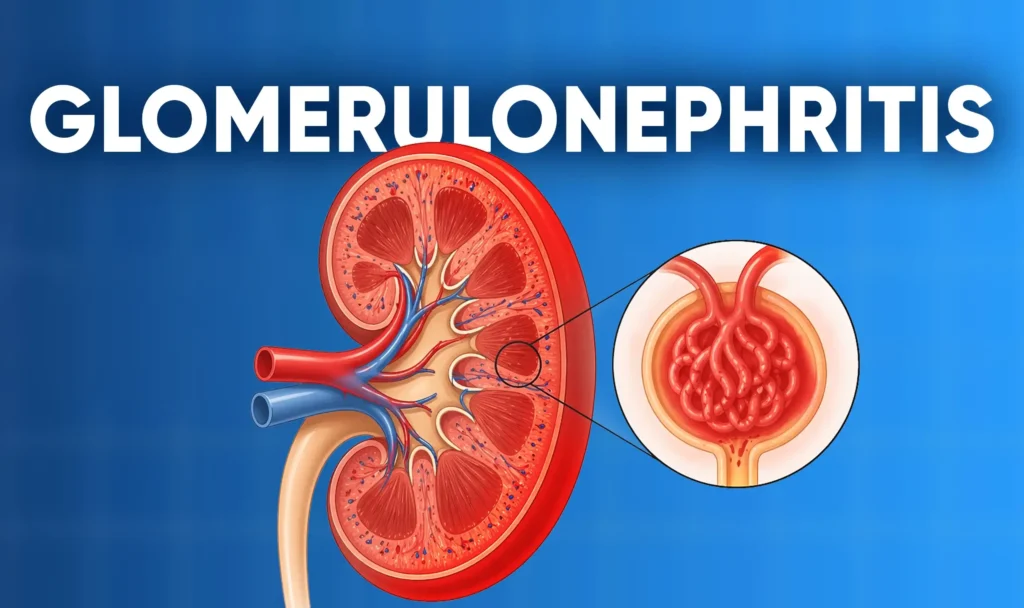
The kidneys are also responsible for filtering blood that passes through them, thereby creating urine. The filters of the kidneys are referred to as glomeruli, which are delicate structures that can be damaged when inflamed, leading to a condition called glomerulonephritis.
Glomerulonephritis affects the kidneys’ ability to filter wastes and fluids and may develop suddenly or gradually over time.
What Is Glomerulonephritis?
Glomerulonephritis is the inflammation of the glomeruli, the tiny blood vessels in the kidneys responsible for filtering waste and excess water from the blood.
Each kidney contains thousands of these filters. When they become inflamed, it can disrupt normal kidney function, causing protein or blood to leak into the urine and leading to waste buildup in the body.
This condition can be:
- Acute – sudden onset
- Chronic – develops gradually over time
Types of Glomerulonephritis
Acute Glomerulonephritis
Develops suddenly, often after infections or other medical conditions. With proper treatment, some individuals recover completely.
Chronic Glomerulonephritis
Develops slowly over time. Symptoms may not appear in early stages, but untreated cases can gradually damage kidney function.
Causes of Glomerulonephritis
Several conditions can trigger inflammation in the kidney filters:
- Infections: Bacterial or viral infections can trigger immune responses affecting the kidneys.
- Immune System Disorders: The immune system may attack healthy kidney tissue.
- Autoimmune Conditions: Diseases affecting multiple organs can involve the kidneys.
- Chronic Conditions: Diabetes and high blood pressure can damage kidney filters.
- Genetic Factors: Inherited conditions may increase risk.
In some cases, the exact cause may not be identified.
Symptoms of Glomerulonephritis
Symptoms vary depending on severity and stage. Some people may not notice symptoms early.
- Blood in urine
- Foamy urine (due to protein)
- Swelling in face, hands, feet, or ankles
- High blood pressure
- Reduced urine output
- Fatigue or weakness
- Loss of appetite
Regular health checkups can help detect kidney problems early.
How Glomerulonephritis Is Diagnosed
Medical History and Physical Examination
Doctors review symptoms, infections, and medical history.
Urine Tests
Urinalysis helps detect blood or protein in urine.
Blood Tests
Evaluates kidney function and waste buildup.
Imaging Studies
Helps assess kidney size and structure.
Kidney Biopsy
A small tissue sample is examined to determine the type and cause.
Treatment Options for Glomerulonephritis
Treatment focuses on managing the underlying cause and protecting kidney function.
- Managing the Cause: Treat infections or underlying diseases.
- Blood Pressure Control: Essential for kidney health.
- Dietary Changes: Helps reduce strain on kidneys.
- Monitoring: Regular checkups to track kidney function.
Maintaining Kidney Health
- Maintain a balanced diet
- Control blood pressure and blood sugar
- Stay hydrated
- Avoid unnecessary medications
- Attend regular medical checkups
When to Seek Medical Attention
Seek medical care if you notice:
- Blood in urine
- Swelling in the body
- Persistent fatigue
Regular screening is important for individuals at risk.
Conclusion
Glomerulonephritis affects the kidney’s filtering structures and can interfere with the body’s ability to remove waste and excess fluids.
Understanding its causes, symptoms, and treatments helps individuals take proactive steps to maintain kidney health. Early detection and proper management are key to preventing complications.