



Overview
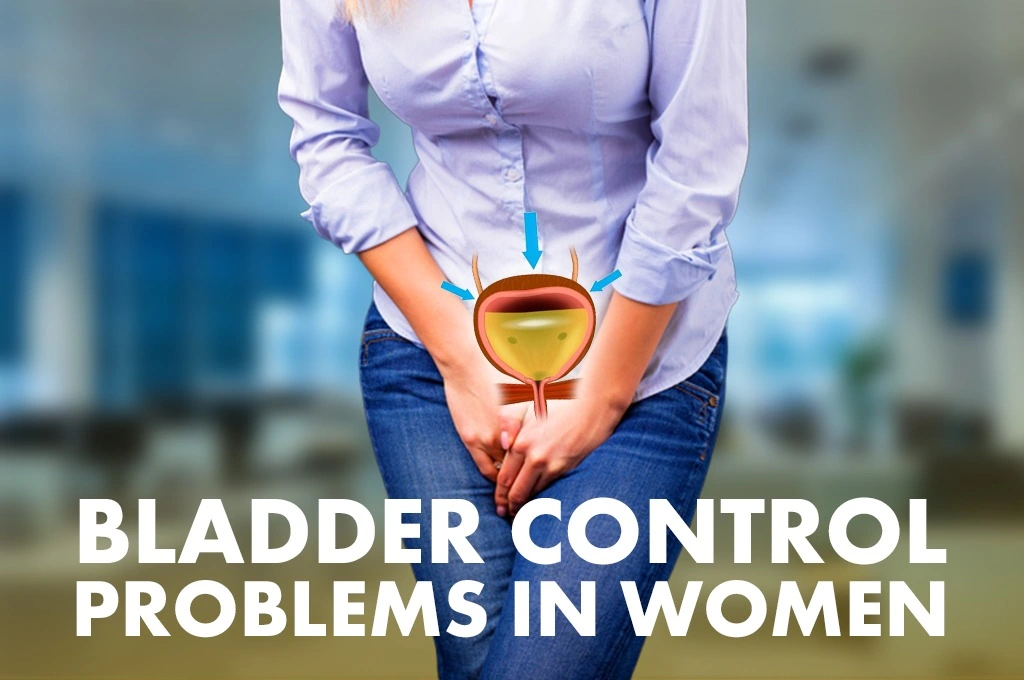
Bladder control problems are a common health concern affecting many women at different stages of life. Although it is often considered an embarrassing topic, it is important to understand that bladder control issues are common and manageable. Many women experience changes in bladder function during pregnancy, childbirth, ageing, hormonal changes, or certain medical conditions.
Bladder control problems can affect daily activities, confidence, and overall quality of life. Women may find themselves avoiding social gatherings, long journeys, or even exercise due to concerns about urine leakage. However, understanding the causes and available management options help women regain confidence and improve their bladder health.
What Are Bladder Control Problems?
Bladder control problems refer to difficulty controlling the release of urine, which may lead to accidental leakage. This condition is commonly known as urinary incontinence.
The bladder normally stores urine until it is convenient to empty it. Muscles, nerves, and the urinary tract work together to maintain this control. When these systems do not function properly, bladder control issues may occur.
Bladder control problems may appear in different forms and may vary from mild leakage to more frequent or severe symptoms.
Common Symptoms
Women experiencing bladder control problems may notice several symptoms, including:
- Leakage of urine while coughing, sneezing, or while having a laugh
- Sudden and strong urge to urinate
- Frequent urination throughout the day
- Difficulty holding urine until reaching a restroom
- Leakage during physical activities such as exercise
- Waking up multiple times at night to urinate
The level of symptoms may vary from individual to individual. In some cases, the symptoms may be mild, while in other cases the symptoms may affect the individual to a great extent.
Types of Bladder Control Problems in Women
Bladder control issues can occur in different forms depending on the underlying cause.
Stress Incontinence
Stress incontinence is experienced when pressure is put on the bladder. This pressure is usually experienced when a woman coughs, sneezes, laughs, or when she is lifting a heavy object.
Urge Incontinence
Urge incontinence is when a woman has a sudden urge to urinate, which leads to involuntary urination before she reaches the bathroom.
Mixed Incontinence
Some women experience a combination of both stress and urge incontinence.
Overflow Incontinence
Overflow incontinence is when a woman is unable to empty her bladder completely, leading to involuntary urination.
Common Causes of Bladder Control Problems
There are a number of reasons that may cause bladder control problems in women.
Pregnancy and Childbirth
During pregnancy and childbirth, muscles that support the bladder can become weak. This may lead to bladder control problems after childbirth.
Aging
With age, muscles that support the bladder and pelvic floor muscles may weaken, thereby affecting bladder function.
Hormonal Changes
Hormonal shifts, especially during menopause, may affect the urinary tract and bladder tissues.
Pelvic Floor Muscle Weakness
The pelvic floor muscles support the bladder, uterus, and other organs. Weakness in these muscles may contribute to urinary leakage.
Urinary Tract Infections
Infections in the urinary system may irritate the bladder and lead to temporary bladder control issues.
Chronic Cough or Constipation
Long-term conditions that increase abdominal pressure may weaken pelvic floor muscles over time.
Obesity
Excess body weight can place additional pressure on the bladder and pelvic floor muscles.
Certain Medical Conditions
Some neurological or metabolic conditions may interfere with the nerves that control bladder function.
Lifestyle Changes That May Help Improve Bladder Control
Adjustments to one’s way of living can also have a significant impact.
Pelvic Floor Exercises
Pelvic floor exercises, commonly referred to as Kegel exercises, are important for strengthening the bladder support muscles.
Maintaining a Healthy Weight
Reducing excess weight can help decrease pressure on the bladder.
Bladder Training
It helps increase the interval between bathroom visits. This technique is helpful for improving bladder control.
Limiting Bladder Irritants
Certain foods and drinks can cause bladder irritation. Limiting caffeine, alcohol, and carbonated drinks can improve bladder control.
Staying Hydrated
Staying hydrated is essential for bladder well-being. However, drinking too much water can increase the need to urinate more often.
Managing Constipation
Eating a healthy diet rich in fiber is essential to prevent constipation, which can cause bladder control problems.
Emotional and Social Impact
Bladder control problems may affect emotional well-being and confidence. Some women may also feel ashamed or uncomfortable talking about these issues, even with medical practitioners.
It is, however, essential to note that bladder control issues are medical conditions that can be managed effectively with proper medical care.
It is essential to seek medical assistance to enable women to comprehend the cause of bladder control issues and possible management options.
Diagnosis
During the evaluation of bladder control issues, medical practitioners often start with a conversation regarding symptoms, medical history, and lifestyle. The frequency of bladder leakage is essential to identify bladder control issues.
Physical examination is also part of the process to examine the pelvic area to identify possible bladder support issues.
Basic urine tests may sometimes be recommended to rule out infections or other urinary conditions.
In certain situations, additional tests may be used to assess bladder function and determine how well the bladder stores and releases urine.
The goal of diagnosis is to identify the possible cause of the problem and guide appropriate management.
Treatment
Treatment for bladder control problems varies depending on the underlying cause and severity of symptoms.
In many cases, management may begin with lifestyle adjustments and exercises aimed at strengthening the pelvic floor muscles. These measures may help improve bladder control over time.
If the symptoms persist, healthcare providers may recommend additional medical approaches to support bladder functions and prevent leakage.
Some people may need therapies that can improve bladder muscle functions or support the pelvic area. In certain situations, medical procedures may be considered when other approaches are not effective.
Because bladder control problems can differ from person to person, treatment plans are usually tailored to individual needs and health conditions.
When to Seek Medical Advice
- Frequent or persistent urine leakage
- Sudden and strong urges to urinate
- Difficulty controlling the bladder during daily activities
- Discomfort or pain while urinating
- Changes in bladder habits that affect quality of life
Early evaluation can help identify the cause and allow timely management.
Conclusion
Bladder control issues among women are very common. There may be various reasons for bladder control problems, such as pregnancy, aging, hormonal changes, or weakened pelvic muscles. Women experiencing bladder control issues may find it difficult to carry on with their routine life. But there are a number of ways to manage bladder control problems.
Learning about bladder control issues, making healthy lifestyle changes, and consulting a doctor if necessary are some of the options available to manage bladder control issues. Talking about bladder control issues is an essential part of raising awareness about bladder issues.