



Overview
Sometimes, urine leakage can be experienced while exercising, coughing, laughing, or even while sneezing. This can be an embarrassing experience for anyone. Many individuals may feel shy to talk about this problem. However, it is one of the common medical conditions that can be experienced by both men and women. This condition is more common in women due to factors like pregnancy, childbearing, and hormonal changes.
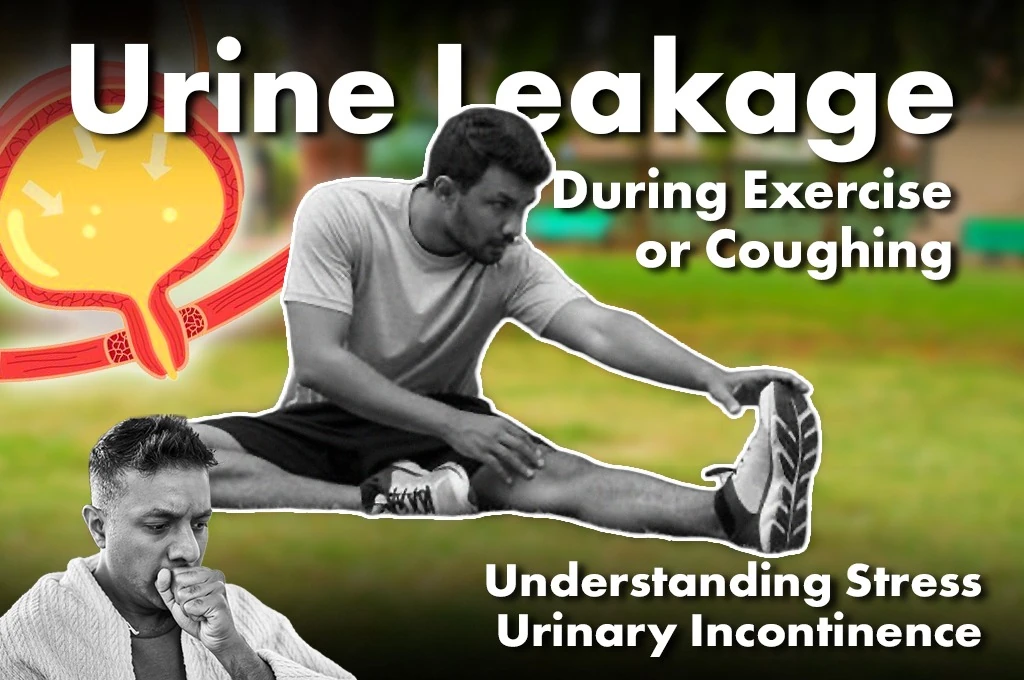
Stress urinary incontinence is the involuntary leakage of urine due to physical activity or movement. This may be considered a minor problem, as urine can be leaked in small amounts. However, urine leakage can be experienced regularly, which can affect the life of an individual.
What is Stress Urinary Incontinence?
Stress urinary incontinence is a type of bladder control problem where leakage of urine occurs due to activities that put pressure on the abdominal and bladder cavities. The word “stress” in this condition does not mean stress in the psychological sense.
Normally, the bladder stores urine until it is convenient to release it. Muscles in the pelvic floor and the urinary sphincter help keep the urethra closed and prevent leakage. When these muscles become weak or when the bladder support structures are compromised, urine may leak during physical activity.
Activities that commonly trigger leakage include:
- Coughing or sneezing
- Laughing
- Running or exercising
- Lifting heavy objects
- Jumping or sudden movements
The leakage can vary from a few drops to a larger amount depending on the severity of the condition.
Why Does Urine Leakage Occur During Exercise or Coughing?
When a person coughs, sneezes, or performs physical activities, pressure builds up inside the abdomen. This pressure is transferred to the bladder. In individuals with healthy pelvic floor muscles and strong bladder support, the urethra remains tightly closed and prevents urine leakage.
However, if the pelvic floor muscles or urethral sphincter are weakened, they may not be able to withstand this pressure. As a result, urine leakage can occur during physical exertion.
This is why many individuals notice leakage during workouts, running, jumping, or even simple daily actions like bending or lifting.
Common Causes of Stress Urinary Incontinence
Several factors may contribute to the development of stress urinary incontinence.
Pregnancy and Childbirth
Pregnancy places extra pressure on the pelvic floor muscles, and childbirth may stretch or weaken these muscles. This may result in leakage of urine.
Aging
As one grows old, muscles in the pelvic region may weaken, and it may become difficult to control the flow of urine.
Hormonal Changes
There may be changes in hormones, especially during menopause, which may have an effect on tissues that support the bladder and urethra.
Weakness in Pelvic Floor Muscles
Weakened muscles in the pelvic area are among the leading causes of stress urinary incontinence. The muscles in the pelvic region help in maintaining bladder control.
Obesity
When people are obese, it may put pressure on their bladder and muscles in the pelvic region, causing urinary incontinence.
Chronic Cough
Chronic coughing due to respiratory problems and smoking may weaken bladder muscles over time due to increased pressure in the abdominal region.
Previous Pelvic Surgery
Some surgeries in the pelvic region may have an impact on bladder muscles.
Symptoms of Stress Urinary Incontinence
The major symptom of stress urinary incontinence is the leakage of urine while one is physically active.
The situations in which leakage may occur include:
- Sneezing or coughing
- Laughing loudly
- Exercising or running
- Lifting heavy objects
- Jumping or sudden movements
In many situations, leakage may occur without a strong urge to urinate. The intensity of symptoms may differ. Some people may experience occasional slight leakage, while others may experience more frequent episodes.
How Stress Urinary Incontinence Affects Daily Life
Although stress urinary incontinence may not always cause physical pain, it may affect daily life.
Some people may avoid physical activities, traveling, or social events because of the fear of leakage. Others may feel embarrassed or nervous about situations where access to a restroom may be limited.
Although it may be a challenge, it is essential to note that this condition is common and manageable. With the right awareness and attention, many people can experience improvement in bladder control.
Risk Factors
Some factors may increase the risk of developing stress urinary incontinence.
- Pregnancy and childbirth
- Increasing age
- Menopause
- Excess body weight
- Chronic coughing
- Smoking
- Pelvic muscle weakness
- High-impact physical activities
Identifying these risk factors can help people take preventive steps to maintain healthy bladder function.
Diagnosis
In assessing urine leakage during exercise or coughing, health professionals often begin by asking patients about their symptoms, medical history, and lifestyle. Information about the timing and frequency of urine leakage can help determine the type of urinary incontinence.
A physical exam may be conducted to determine the strength of the muscles in the pelvis and identify possible factors affecting the bladder.
Basic urine tests may sometimes be recommended to rule out infections or other urinary conditions.
In certain situations, additional assessments may be used to evaluate how well the bladder stores and releases urine.
The purpose of diagnosis is to understand the cause of leakage and determine the most appropriate approach to management.
Treatment
In many cases, management begins with simple and non-invasive measures. Lifestyle modifications and pelvic floor strengthening exercises are commonly recommended to help improve bladder support.
Pelvic floor exercises, often called Kegel exercises, help strengthen the muscles that control urine flow. These exercises may significantly improve symptoms when practiced regularly.
Doctors may also suggest bladder training techniques or lifestyle changes that reduce pressure on the bladder.
If symptoms persist, additional medical options may be considered to improve bladder control and reduce leakage.
Because every individual’s condition is different, treatment plans are usually personalized based on specific needs and health factors.
Preventing Stress Urinary Incontinence
Although stress urinary incontinence is not always preventable, some measures can be taken to minimize the risk of developing bladder control problems.
Helpful measures include:
- Maintaining a healthy body weight
- Regularly exercising the pelvic floor
- Not smoking
- Controlling chronic cough
- Engaging in physical activities
These measures may help strengthen the muscles in the pelvic region and improve bladder health.
When to See a Doctor
Medical consultation may be helpful if:
- Urine leakage occurs frequently
- Urine leakage affects daily activities or exercise
- Symptoms are increasing in severity
- Other urinary symptoms are present, such as pain or burning during urination
Conclusion
Leakage of urine during exercise or coughing, also known as stress urinary incontinence, is a very common condition that affects many people, especially women.
Although it may feel uncomfortable to discuss, it is an important health issue that can often be managed successfully.
Understanding the causes, recognizing symptoms, and seeking appropriate medical guidance can help individuals improve bladder control and regain confidence in their daily activities.