Overview
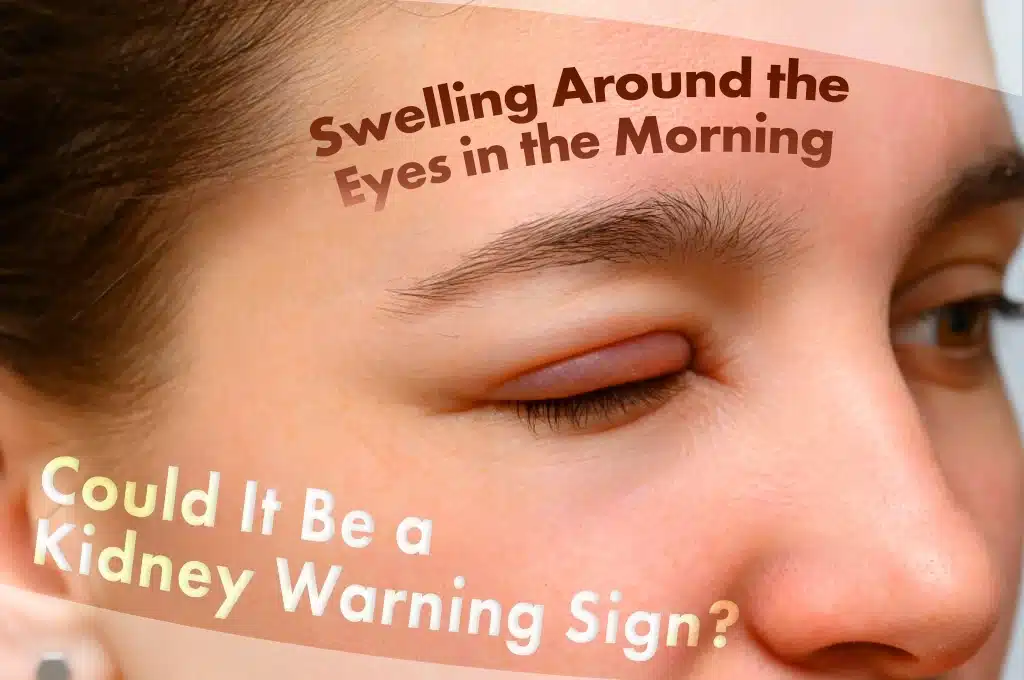
Waking up with puffiness or swelling around the eyes is something many people experience occasionally. In most cases, this mild swelling disappears after some time and may be related to lack of sleep, allergies, or fluid retention. However, when swelling around the eyes occurs frequently or becomes more noticeable, it may sometimes raise questions about underlying health conditions.
One possible concern linked to persistent puffiness around the eyes is kidney health. The kidneys have a major role to play in maintaining the balance of fluids in the body. When the kidneys do not function in the right manner, there may be a buildup of fluids in some parts of the body. The sensitive area around the eyes may be the first place where this can become noticeable.
It is important to have a clear understanding of the reasons for swelling in the eyes in the morning and when it may become a health concern.
What Causes Swelling Around the Eyes?
Swelling around the eyes, also known as periorbital puffiness, occurs when excess fluid collects in the tissues surrounding the eyes. The skin in this area is thin and sensitive, which makes fluid accumulation more noticeable.
This puffiness may appear as:
- Mild swelling under or around the eyes
- Puffiness that is more visible in the morning
- Slight heaviness in the eyelids
- Skin that appears stretched or swollen
In many cases, the swelling gradually reduces as the day progresses.
Common Non-Medical Causes of Morning Eye Puffiness
Not all cases of eye swelling are related to serious health conditions. Several everyday factors may cause temporary puffiness around the eyes:
- Lack of Sleep
- High Salt Intake
- Allergies
- Dehydration
- Crying
How Kidney Health May Be Related to Eye Swelling
The kidneys play a crucial role in filtering waste products and maintaining the body’s fluid balance. When the kidneys are functioning normally, they help regulate the amount of fluid and salt in the body. If kidney function is affected, excess fluid may accumulate in tissues, leading to swelling in different areas of the body.
The area around the eyes is particularly sensitive to fluid changes. As a result, persistent puffiness around the eyes, especially in the morning, may sometimes be associated with changes in kidney function. This type of swelling may be more noticeable after lying down overnight, which allows fluid to redistribute in the body.
Other Symptoms That May Appear with Kidney-Related Swelling
If swelling around the eyes is linked to kidney health, other symptoms may sometimes be present. These may vary depending on the underlying condition.
Possible symptoms include:
- Swelling in the feet, ankles, or hands
- Fatigue or low energy levels
- Changes in urine appearance or frequency
- Foamy or cloudy urine
- Difficulty concentrating
- Increased blood pressure
The presence of these symptoms does not necessarily confirm kidney disease, but they may indicate the need for medical evaluation.
Why Morning Swelling May Be More Noticeable
Many people notice eye puffiness particularly in the morning. This can occur because when a person lies down during sleep, fluid in the body redistributes more evenly. In individuals who are prone to fluid retention, this fluid may collect around the soft tissues near the eyes overnight.
Once a person wakes up and begins moving around, gravity and circulation may gradually reduce the swelling. However, if swelling continues throughout the day or becomes more severe over time, it may require further attention.
Risk Factors That May Affect Kidney Health
Certain factors can increase the likelihood of kidney-related issues that might lead to swelling. These may include:
- Long-term high blood pressure
- Diabetes
- Family history of kidney disease
- Excess body weight
- Certain infections or inflammatory conditions
- Prolonged use of certain medications
Individuals with these risk factors may benefit from regular health checkups to monitor kidney function.
When to Seek Medical Advice
Occasional puffiness around the eyes is usually harmless. However, medical advice may be helpful if:
- Swelling around the eyes occurs frequently
- Puffiness becomes more severe or persistent
- Swelling is accompanied by other symptoms such as fatigue or changes in urination
- There is swelling in other parts of the body
- The condition affects daily comfort or appearance
Such early medical evaluation can help identify whether the swelling is associated with lifestyle or a medical condition.
Diagnosis
If the person complains of constant swelling around the eyes, healthcare professionals tend to begin by assessing the symptoms, medical history, and lifestyle of the individual. Information about the sleep pattern, diet, fluid intake, and medical history can help identify the cause of the swelling.
A physical examination may be carried out to check whether the swelling is occurring in other areas of the body. Basic urine and blood tests may sometimes be recommended to evaluate kidney function and identify possible abnormalities. In certain cases, additional tests may be suggested to gain a clearer understanding of how the kidneys and other organs are functioning.
The purpose of diagnosis is to identify the cause of swelling and guide appropriate management.
Treatment
Treatment for swelling around the eyes depends on the underlying cause. In cases where puffiness is due to certain factors such as high salt consumption, dehydration, or lack of sleep, certain modifications in one’s lifestyle could prove to be beneficial in alleviating swelling.
In cases where swelling is due to certain health conditions, medical assistance could prove to be effective in alleviating swelling. Management strategies may include monitoring kidney health, controlling risk factors such as blood pressure, and adopting healthier lifestyle practices. Because the causes of eye swelling can vary, treatment plans are usually personalized according to the individual’s health needs.
Supporting Kidney and Overall Health
A healthy lifestyle can help in supporting kidney health and in controlling fluid retention. A few healthy practices that can help include:
- Drinking enough water
- Reducing the intake of too much salt
- Following a healthy and balanced diet
- Engaging in regular exercise
- Maintaining blood pressure and blood sugar levels
- Getting enough sleep
Regular checkups can help in identifying possible health issues.
Conclusion
Swollen eyes in the morning are not a cause of concern and can result from various factors, including lack of sleep, allergies, and eating habits. Changes in the balance of fluids in the human body can, in some cases, result in swollen eyes. Changes in fluid balance may result from issues concerning kidney health.
Identifying changes in the human body and consulting a doctor can help in addressing the possible issues. Maintaining a healthy lifestyle and being concerned about overall health can help in addressing kidney health.