
Overview
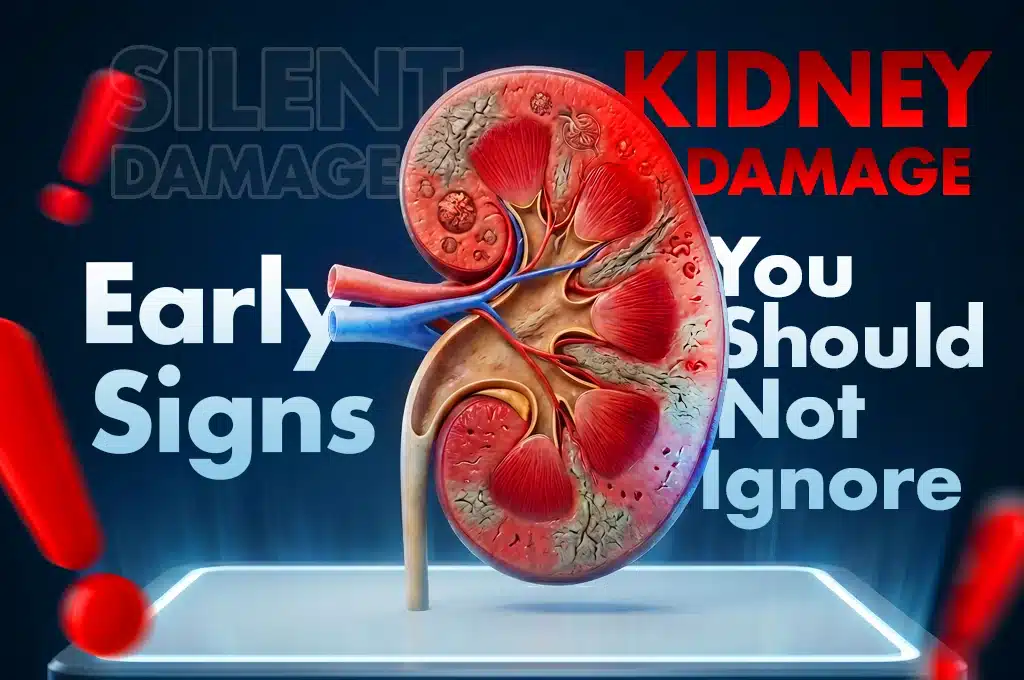
Kidney disease is often called a “silent condition” because it can develop gradually without obvious symptoms in its early stages. Many people remain unaware that their kidneys are under stress until significant damage has already occurred. This makes early awareness extremely important.
The kidneys perform several essential functions, including removing waste products from the blood, maintaining fluid balance, regulating blood pressure, and balancing electrolytes. When kidney function begins to decline, the body may show subtle warning signs that are easy to overlook. Recognizing these early symptoms and seeking timely medical attention can help prevent long-term complications and preserve kidney health.
What Is Silent Kidney Damage?
Silent kidney damage refers to the gradual loss of kidney function without noticeable symptoms during the early stages. Unlike many other medical conditions that cause immediate discomfort, chronic kidney disease (CKD) often progresses slowly over time.
In the beginning, healthy portions of the kidneys compensate for the damaged areas, allowing them to continue functioning. As kidney damage worsens, however, waste products and excess fluids begin to accumulate in the body, eventually causing noticeable symptoms.
Why Early Detection Is Important
The kidneys have an impressive ability to continue working even when partially damaged. While this helps maintain normal body functions, it also means kidney disease may go unnoticed until significant damage has already occurred.
- Symptoms often appear only in later stages.
- Kidney damage may already be advanced when diagnosed.
- Early treatment opportunities may be missed.
- Timely diagnosis can help slow disease progression and preserve kidney function.
Early Signs You Should Not Ignore
Although silent kidney damage develops gradually, certain subtle symptoms can act as early warning signs.
Changes in Urination
One of the earliest indicators of kidney problems may involve changes in urination patterns, including:
- Increased or decreased frequency of urination
- Frequent urination during the night
- Foamy or bubbly urine
- Dark-colored or unusually colored urine
These changes may indicate that the kidneys are not filtering waste properly.
Swelling in the Body
The kidneys help regulate the body’s fluid balance. When they are not functioning properly, excess fluid can accumulate, leading to:
- Swelling of the feet and ankles
- Puffiness around the eyes
- Facial swelling, especially in the morning
Swelling may begin mildly and gradually become more noticeable over time.
Persistent Fatigue
As waste products build up in the bloodstream, people may experience:
- Constant tiredness
- Low energy levels
- Difficulty concentrating
Fatigue is often mistaken for stress or lack of sleep, which may delay diagnosis.
Loss of Appetite
Reduced kidney function may affect digestion and appetite, causing:
- Reduced desire to eat
- Feeling full quickly
- Mild nausea
These symptoms can occur due to the buildup of waste products in the body.
High Blood Pressure
The kidneys play a major role in regulating blood pressure. When kidney function declines, individuals may experience:
- Elevated blood pressure
- Difficulty controlling hypertension despite medication
High blood pressure can both contribute to kidney damage and result from it.
Muscle Cramps and Weakness
Kidney dysfunction can lead to electrolyte imbalances involving sodium, potassium, and other minerals, resulting in:
- Muscle cramps
- Muscle weakness
- General discomfort
Who Is at Higher Risk?
Certain individuals have a greater risk of developing silent kidney damage, including:
- People with diabetes
- Individuals with high blood pressure
- Those with a family history of kidney disease
- Older adults
- People taking long-term medications that may affect kidney function
Why Symptoms Are Often Ignored
Silent kidney damage frequently goes unnoticed because:
- Symptoms are mild and nonspecific.
- They are often mistaken for common health problems.
- There is usually no pain during the early stages.
- Routine health check-ups may not always include kidney function tests.
Regular screening is especially important for individuals who are at higher risk.
Diagnosis
Doctors diagnose early kidney damage by reviewing symptoms, medical history, and individual risk factors. Several simple tests help assess kidney health, including:
- Blood tests to evaluate kidney function
- Urine tests to detect protein or other abnormalities
- Blood pressure monitoring
Early diagnosis allows healthcare providers to begin treatment before significant kidney damage occurs.
Treatment
Treatment focuses on slowing disease progression and protecting the remaining kidney function.
Management may include:
- Controlling diabetes and high blood pressure
- Following a kidney-friendly diet
- Managing fluid intake as advised by a healthcare professional
- Avoiding unnecessary medications that may harm the kidneys
- Regular monitoring of kidney function
Treatment plans are personalized based on the severity of kidney disease and each individual’s overall health.
Lifestyle Measures to Protect Kidney Health
Healthy lifestyle habits can help reduce the risk of kidney damage and support long-term kidney function.
- Drink adequate amounts of water.
- Eat a balanced and nutritious diet.
- Reduce excessive salt intake.
- Exercise regularly.
- Avoid smoking.
- Limit alcohol consumption.
- Schedule regular health check-ups.
When to Seek Medical Advice
Consult a healthcare professional if you experience:
- Persistent changes in urination
- Unexplained swelling or fatigue
- High blood pressure that remains difficult to control
- Risk factors such as diabetes, hypertension, or a family history of kidney disease
Early medical evaluation can help prevent complications and improve long-term kidney health.
Conclusion
Silent kidney damage often develops without noticeable symptoms, making early detection essential. Paying attention to subtle warning signs such as changes in urination, swelling, persistent fatigue, or high blood pressure can help identify kidney problems before they become severe. Regular health screenings, healthy lifestyle habits, and timely medical care play a vital role in protecting kidney function and maintaining overall health.
“`