

Meta Description
Overview
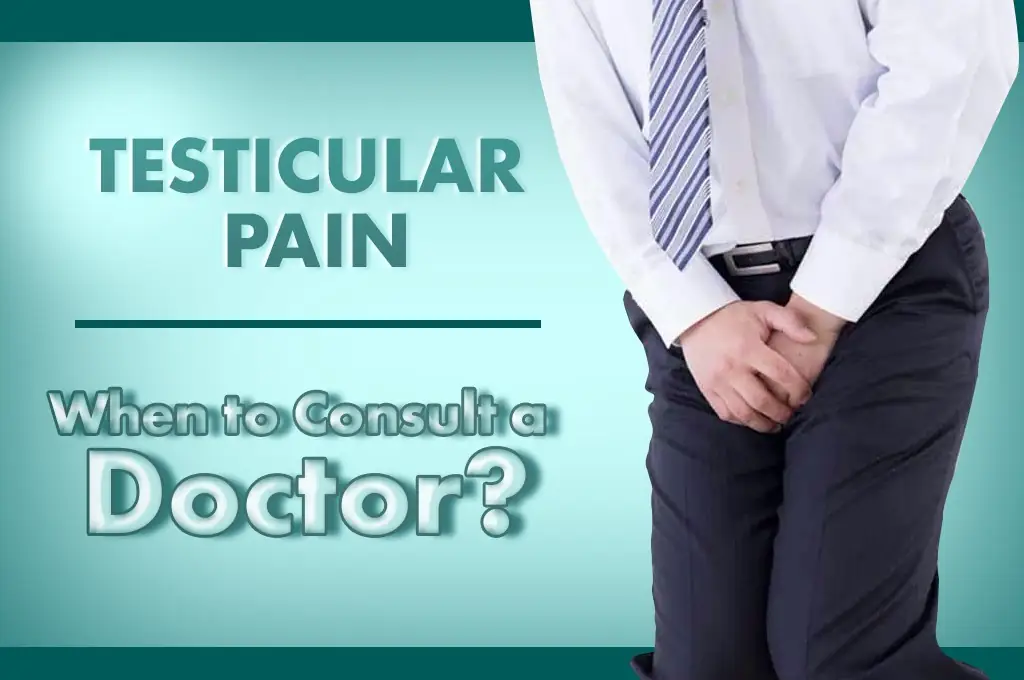
Testicular pain causes discomfort, concern, and sometimes anxiety in a number of men. The testicles are sensitive organs located in the scrotum and play an essential role in male reproductive health by producing sperm and the hormone testosterone. Because of their delicate structure and important function, any pain or discomfort in this area should not be ignored.
Testicular pain can range from mild and temporary discomfort to sudden, severe pain. In some situations, the pain may go away on its own, but in others, it might be a sign of an underlying medical condition that requires medical attention. Therefore, understanding the possible causes and warning signs is important for maintaining reproductive and overall health.
What Is Testicular Pain?
Testicular pain refers to any discomfort, aching, or sharp pain experienced in one or both testicles. The pain may occur directly in the testicles or may be referred from nearby areas such as the groin or abdomen.
The severity of pain may vary. Some individuals experience a dull ache, while others may feel sudden or severe pain that develops quickly.
Testicular pain may occur:
- Suddenly or gradually
- In one or both testicles
- Constantly or intermittently
- With or without swelling
The duration and nature of the pain often depend on the underlying cause.
Common Symptoms Associated with Testicular Pain
Testicular pain may be accompanied by other symptoms depending on the underlying cause.
These may include:
- Swelling in the scrotum
- Tenderness or sensitivity in the testicles
- Pain in the lower abdomen or groin
- Redness or warmth in the scrotal area
- Nausea or discomfort
- Pain during urination or ejaculation
Observing associated symptoms can help healthcare professionals identify the underlying cause more accurately.
Common Causes of Testicular Pain
Testicular pain can occur due to several reasons. Some causes may be minor and temporary, while others may require medical attention.
Minor Injury or Trauma
A direct injury to the groin area can cause temporary pain and swelling. Even minor trauma may lead to discomfort because the testicles are highly sensitive.
Infections
Certain infections can affect the testicles or surrounding structures, leading to pain and swelling. Infections may cause inflammation in the reproductive organs and result in discomfort.
Inflammation of the Epididymis
The epididymis is a coiled tube located behind the testicle that stores and transports sperm. Inflammation in this area may cause testicular pain and tenderness.
Testicular Torsion
Testicular torsion occurs when the spermatic cord twists and cuts off blood supply to the testicle. This usually presents as sudden and severe pain and requires urgent medical attention.
Hernia
A hernia occurs when internal tissue pushes through a weak area in the abdominal wall. In some cases, discomfort may spread to the scrotum.
Varicocele
Varicocele refers to enlarged veins in the scrotum. This condition may sometimes cause a dull ache or a feeling of heaviness in the testicles.
Kidney Stones
Pain caused by kidney stones may sometimes radiate to the groin or testicular area.
Fluid Accumulation
In certain situations, fluid buildup around the testicles may cause swelling and discomfort.
Because several conditions can lead to testicular pain, proper medical evaluation is important to identify the exact cause.
Warning Signs That Require Medical Attention
Although mild testicular discomfort may occasionally occur, certain symptoms should never be ignored.
Seek medical attention if testicular pain is accompanied by:
- Sudden and severe pain
- Significant swelling of the scrotum
- Fever or chills
- Nausea or vomiting
- Pain lasting more than a few hours
- Difficulty urinating or unusual urinary symptoms
These warning signs may indicate a condition that requires prompt medical evaluation.
Why Testicular Pain Should Not Be Ignored
The testicles play a critical role in male reproductive health. Ignoring persistent pain may allow underlying conditions to worsen.
Certain conditions affecting the testicles may impact fertility or lead to complications if left untreated. Early diagnosis helps ensure appropriate care before complications develop.
Being mindful of bodily changes and seeking medical advice when necessary is an important step in protecting reproductive health.
Diagnosis
To diagnose testicular pain, healthcare professionals typically begin by reviewing symptoms and medical history.
They may ask questions regarding the location, severity, and duration of the pain. A physical examination may also be performed, especially if swelling or tenderness is present in the scrotal area.
Basic medical tests may sometimes be recommended to evaluate the urinary or reproductive system and identify signs of infection or abnormalities.
In some situations, imaging tests may be used to provide a clearer view of the structures within the scrotum.
The primary purpose of diagnosis is to identify the underlying cause of the pain.
Treatment
Treatment for testicular pain depends on the underlying cause. In general, management focuses on relieving discomfort and addressing the condition responsible for the pain.
Some conditions may improve with rest, supportive care, and lifestyle changes. If pain is related to infection or inflammation, appropriate medical treatment may be recommended.
For conditions involving structural or circulation-related issues, specific medical interventions may be required to restore normal body function.
Because testicular pain may result from various causes, treatment is usually personalized to the individual’s condition.
Supporting Testicular and Reproductive Health
Maintaining good reproductive health may help reduce the risk of complications affecting the testicles.
Helpful practices include:
- Wearing protective gear during sports activities
- Practicing good personal hygiene
- Seeking prompt medical attention for infections
- Performing regular self-checks to detect unusual changes
- Attending regular health check-ups
Being aware of changes in the body may help detect potential issues early.
Conclusion
Testicular pain is a symptom that may result from various causes, ranging from minor injury to conditions affecting the reproductive and urinary systems. While some discomfort may be temporary, severe or persistent pain should never be ignored.
Understanding the causes, symptoms, and warning signs of testicular pain can help individuals take timely action and protect their reproductive health.