



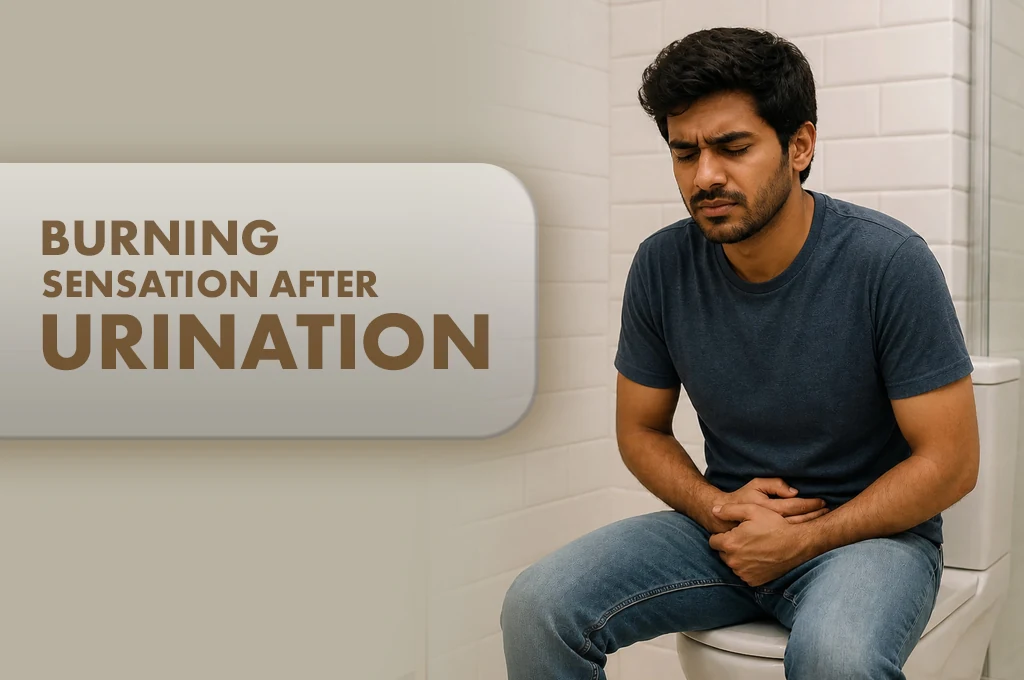
Burning Sensation After Urination: Causes, Symptoms, Diagnosis & Treatment
Overview
Urination is a normal bodily function by which the body eliminates waste matter. The process is essential for regulating fluid balance in the body. Under normal circumstances, urination should be painless. However, some individuals may experience a burning sensation after urination. This discomfort may occur immediately after urinating or continue for a short period afterward.
Occasional irritation may result from temporary causes, but persistent burning after urination can indicate an underlying issue affecting the urinary system.
What Is a Burning Sensation After Urination?
A burning sensation after urination refers to pain, irritation, or discomfort felt around the urethra and nearby urinary area after the completion of urination. The urethra is the tube that carries urine from the bladder out of the body.
This sensation may feel like:
- A stinging or burning feeling
- Irritation in the urinary passage
- Persistent discomfort after urinating
- Mild pain in the lower urinary tract
The intensity can vary from mild irritation to severe discomfort. In some cases, it may occur occasionally, while in others it may happen every time a person urinates.
Common Symptoms Associated with Burning After Urination
Depending on the underlying cause, additional symptoms may also occur, including:
- Painful urination
- Frequent urination
- Cloudy urine
- Discomfort in the abdominal region
- Feeling of incomplete bladder emptying
- Itching in the urinary region
If these symptoms continue for several days or worsen over time, medical evaluation may be necessary.
Possible Reasons for Burning Sensation After Urination
Various conditions may lead to burning or irritation after urination. These can range from minor irritation to more serious urinary tract conditions.
Urinary Tract Infections (UTIs)
One of the most common causes is a urinary tract infection. UTIs occur when bacteria enter the urinary system and cause inflammation in the bladder or urethra. This irritation can lead to discomfort during or after urination.
Dehydration
When the body lacks sufficient fluids, urine becomes concentrated and may irritate the urinary tract, causing a burning sensation.
Irritation from Personal Care Products
Certain soaps, scented hygiene products, and personal care items may irritate the sensitive tissues around the urinary opening and lead to discomfort after urination.
Sexually Transmitted Infections (STIs)
Some sexually transmitted infections can affect the urinary tract and cause burning or irritation during or after urination.
Kidney or Bladder Stones
Small stones within the urinary tract may irritate the lining of the bladder or urethra as urine passes, resulting in burning or pain.
Urethritis
Inflammation of the urethra, known as urethritis, may occur due to infections or irritation and can lead to discomfort during and after urination.
Hormonal Changes
Hormonal changes, especially in women, may affect the urinary and genital tissues and contribute to irritation or burning sensations.
Lifestyle Factors That May Contribute
Certain daily habits can increase the likelihood of urinary irritation, including:
- Inadequate water intake
- Holding urine for long periods
- Poor hygiene practices
- Excessive use of scented hygiene products
- Wearing tight or non-breathable clothing
Making simple lifestyle changes may help reduce irritation and support urinary health.
Why This Symptom Should Not Be Ignored
A burning sensation after urination may appear minor initially, but persistent symptoms can indicate infection or inflammation within the urinary tract.
Ignoring the condition may allow the underlying issue to worsen. Untreated urinary infections, for example, may spread to other parts of the urinary system and lead to more serious complications.
Seeking medical attention when symptoms persist can help ensure timely diagnosis and appropriate treatment.
Diagnosis
If burning after urination continues or becomes severe, healthcare professionals may recommend medical evaluation.
Doctors typically begin by discussing:
- Symptoms
- Lifestyle habits
- Medical history
- Timing and severity of the burning sensation
Urine tests are commonly advised to check for signs of infection or other abnormalities within the urinary system.
In some cases, additional investigations may be recommended if symptoms persist or other urinary problems are suspected.
The goal of diagnosis is to identify the underlying cause and guide appropriate treatment.
Treatment
Treatment depends on the underlying reason for the burning sensation. Since multiple conditions can cause urinary irritation, treatment focuses on addressing the specific cause.
General management may include:
- Increasing fluid intake
- Maintaining proper hygiene
- Avoiding irritating products
- Supporting urinary tract health through lifestyle changes
If infections or other medical conditions are responsible, healthcare professionals may recommend appropriate medical treatment.
Because treatment varies from person to person, medical advice is important for choosing the most suitable approach.
Tips to Support Urinary Health
Healthy habits can help reduce the risk of urinary irritation and infections.
Helpful practices include:
- Drinking enough water throughout the day
- Maintaining good personal hygiene
- Avoiding excessive use of scented hygiene products
- Not delaying urination for long periods
- Wearing comfortable and breathable clothing
These simple steps can help support normal urinary function and overall urinary health.
Conclusion
A burning sensation after urination can occur due to several reasons, including infections, dehydration, irritation, or other urinary tract conditions. While mild irritation may resolve on its own, persistent or worsening symptoms should not be ignored.
Understanding the possible causes and seeking medical guidance when necessary can help ensure early diagnosis and proper treatment. Maintaining good hydration, hygiene, and healthy urinary habits may also support long-term urinary health.