


Kidney Stone
- Home
- Services
- Kidney Stone
Kidney Stone Treatment
Every year, thousands of patients require emergency care for kidney stone complications. Vedanayagam Hospital has earned the trust of over 500,000 patients through clinical excellence, advanced technology, and compassionate care.
Kidney stones can cause severe pain, infection, and urinary obstruction if left untreated. Our experienced urologists use evidence-based diagnostics and advanced imaging to accurately assess each case and recommend the most effective treatment.
As a leading Kidney Stone Specialist in Coimbatore, we offer minimally invasive procedures, advanced laser lithotripsy, and personalized treatment plans to ensure safe, effective, and long-term relief.
Understanding Kidney Stones
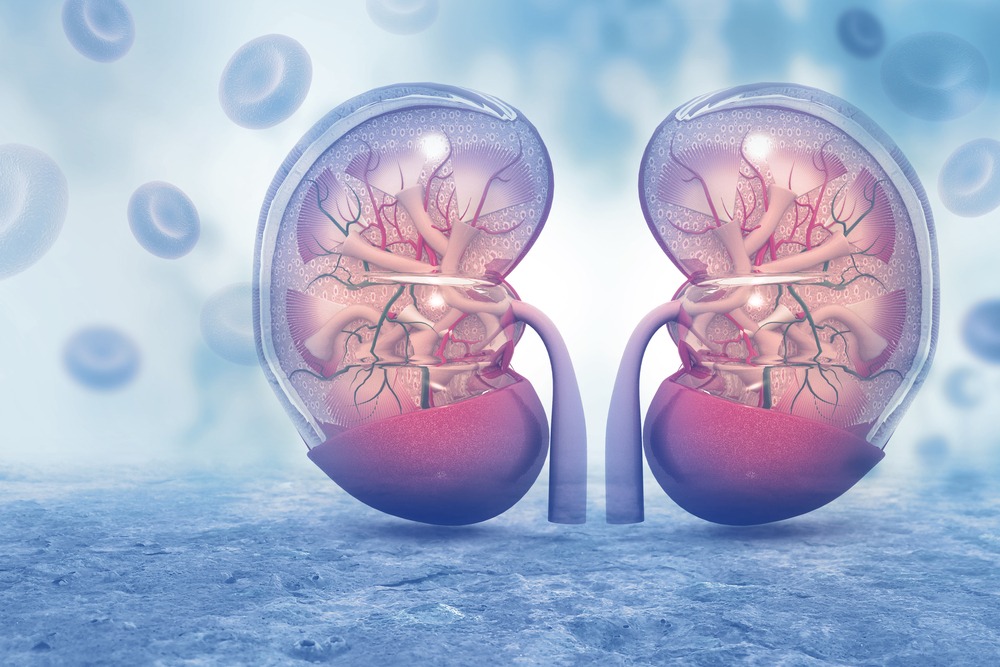
Hard mineral deposits, called kidney stones, develop inside the kidneys. The stones are made up of calcium, oxalate, and phosphorus. It is a widespread disorder that can affect people of various ages. Due to their way of living, most people could encounter it. Urine can flow through small stones with little to no discomfort. However, stones larger than 3 mm can lodge in the ureters and obstruct the flow of urine, resulting in excruciating discomfort or bleeding.
- Calcium Stones: It is typically common and is produced in the urine when calcium and oxalate interact.
- Struvite Stones: Often develop after a urinary tract infection and can grow rapidly.
- Uric Acid Stones: Formed from high levels of uric acid in the urine, often linked to gout.
- Cystine Stones: Rare and more likely to run in families with a cystinuria background (causes cystine to leak into the urine).
Symptoms Of Kidney Stones
- Significant lower back ache on either side.
- More nebulous discomfort or persistent stomach ache
- Blood in the urine, sickness, fever, and chills.
- Urine that is hazy or has a foul smell.
Causes of Kidney Stones
- Minimal hydration.
- Consuming supplements rich in calcium.
- Hereditary factors.
- A diet rich in animal protein
- Excessive salt intake.
- Persistent diarrhoea.
Severity
A kidney stone that becomes stuck in the ureters can restrict the urine’s flow, inflame the kidney, and cause the ureter to constrict, all of which can be excruciatingly painful. You can then encounter the following signs like severe to acute discomfort below the ribcage, where the pain may spread to the groin and lower abdomen.
Formation of Kidney Stones
Kidney stones develop when the urine contains more crystal-forming components. Low fluid concentrations in the urine are the culprits for the formation of calcium, oxalate, and uric acid crystals, thus increasing the amount of toxic wastes in the body. The poisonous waste in our bodies is filtered by our kidneys and expelled through urine. However, the conditions for kidney stones to develop become favourable if the urine has increased harmful wastes and lacks chemicals that keep crystals from adhering to one another.
Diagnosis and Evaluation
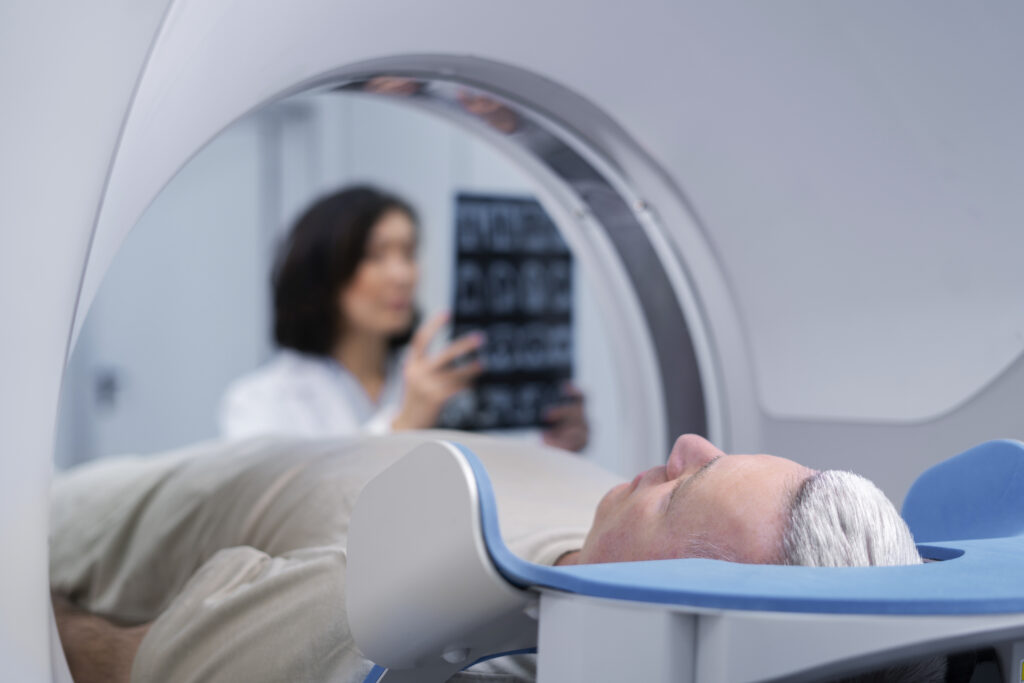
Our team uses state-of-art diagnostic tools to accurately identify and assess kidney stones. Diagnostic methods include:
– Ultrasound: Provides detailed images of the kidneys and stones.
– CT Scan: Offers a comprehensive view of the stones’ size and location.
– X-rays: Helps in monitoring the stone’s progress.
Effective Kidney Stone Treatment in Coimbatore
Our Kidney Stone Specialist in Coimbatore also provides personalized advice to prevent future stone formation. This includes:
- Increasing fluid intake to ensure adequate hydration.
- Modifying dietary habits to reduce intake of calcium-rich or oxalate-rich foods.
- Regular follow-up visits to monitor kidney health and prevent recurrence.
Why Choose Vedanayagam Hospital?
Vedanayagam Hospital is renowned for its comprehensive approach to Kidney Stone Treatment in Coimbatore . Our experienced specialists, advanced technology, and patient-centered care ensure that you receive the best possible treatment and support.
If you are seeking expert care for kidney stones, contact Vedanayagam Hospital today to schedule a consultation with our experienced team.
Frequently Asked Questions About Kidney Stones
Kidney stones can cause severe pain in the back or side, nausea, vomiting, painful urination, blood in the urine, frequent urination, and a persistent urge to urinate.
Kidney stones form when minerals and salts in the urine crystallize and stick together due to dehydration, diet, or medical conditions.
Diagnosis includes physical examination, urine tests, blood tests, ultrasound, X-rays, or CT scans.
Treatment may include hydration, medications, shock wave lithotripsy (SWL), ureteroscopy, or minimally invasive surgery.
Yes. Drinking enough water, reducing salt, and maintaining a balanced diet can reduce risk.
Seek medical help if you experience severe pain, fever, blood in urine, difficulty urinating, or persistent vomiting.
Need Expert Medical Advice?
Consult experienced doctors at Vedanayagam Hospital for advanced diagnosis,
personalised treatment, and compassionate patient care.
- Urology & Nephrology Specialists
- Advanced Diagnostic & Treatment Facilities
- Trusted Care for Kidney & Urinary Conditions