
Gastroenterology
- Home
- Services
- Gastroenterology
Comprehensive Digestive Care
Vedanayagam Hospital offers advanced gastroenterology care in Coimbatore, providing comprehensive evaluation, diagnosis, and treatment for disorders of the digestive tract, liver, pancreas, and gallbladder. Our gastroenterology department is equipped with modern diagnostic facilities and experienced specialists dedicated to restoring digestive health through evidence-based treatment and compassionate care.
Patients seeking a reliable gastroenterology hospital can rely on our team, which includes physicians, endoscopy specialists, and surgical gastroenterology experts. From routine stomach complaints to complex hepatobiliary conditions, we deliver personalised treatment plans designed for long-term recovery.
Our experienced gastroenterology doctor manages a wide spectrum of digestive disorders such as gastritis, acid reflux, pancreatitis, gallstones, jaundice, hepatitis, and intestinal diseases. Early evaluation of gastroenterology symptoms helps prevent complications and improves treatment outcomes.
Our Approach to Digestive Health
The digestive system is complex and interrelated. Even a minor imbalance may affect nutrition, metabolism, and overall well-being. Patients experiencing persistent abdominal discomfort, bloating, vomiting, or other digestive disturbances should consult a gastroenterologist early, as these may be important signs of gastroenterological conditions that require medical attention. At Vedanayagam Hospital, our specialists combine advanced imaging,laboratory testing, and endoscopic proceduresto accurately diagnose digestivedisorders.
We provide:
- Upper GI Endoscopy & Colonoscopy
- Liver disease evaluation and management
- Gallbladder and pancreatic disorder treatment
- Treatment for acidity, ulcers, and reflux disease
- Minimally invasive laparoscopic procedures
- Comprehensive surgical gastroenterology care
Our goal is early diagnosis, effective therapy, and faster recovery with minimal discomfort.
Medical Conditions Treated
Hernia
Endourology deals with surgeries that need little or no incision. Endourology is The abdominal wall is a strong layer of muscle and connective tissue extending from the rib cage to the groin. Its function is to hold the intestines and other abdominal organs securely in place. In certain situations, weak areas may develop in this wall. When internal tissues push outward through these weak points, a visible swelling or bulge appears beneath the skin, which is the most common sign of a hernia.
The term hernia literally means “a structure coming through,” accurately describing this condition. Hernias may occur in different regions of the body, most commonly:
- Inguinal (inner groin)
- Femoral (outer groin)
- Incisional (after previous surgery)
- Hiatal (upper stomach region)
- Umbilical (around the navel)
Increased pressure inside the abdomen, such as heavy lifting or straining, is a major contributing factor. A hernia does not heal on its own and requires medical or surgical correction under the care of a gastroenterologist trained in surgical gastroenterology.
Chronic Pancreatitis
The pancreas is an essential digestive organ that produces enzymes to break down food and hormones that regulate blood sugar levels. Chronic pancreatitis is a progressive inflammatory condition that permanently damages the pancreas, affecting both its structure and function.
One of the most common causes is long-term alcohol consumption, although metabolic and lifestyle factors also contribute. Patients may experience several gastrointestinal symptoms, including:
- Persistent upper abdominal pain
- Nausea and vomiting
- Abdominal bloating
- Indigestion and cramps.
- Gas formation
As the disease advances, the pancreas loses its ability to produce insulin, which may lead to Type 2 diabetes. Early evaluation helps prevent serious complications.
Gallstones
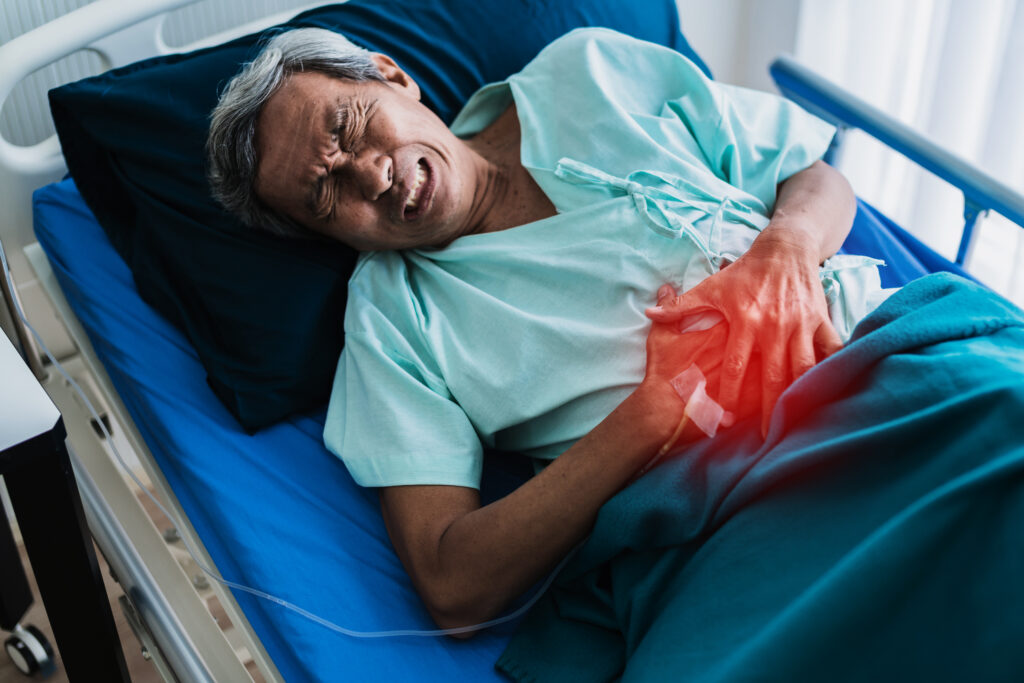
Bile, produced by the liver and stored in the gallbladder, helps in digestion. Sometimes the substances within bile harden and form stones. These gallstones are typically made of cholesterol, salts, or bilirubin pigments.
Common symptoms include:
- Severe pain in the upper abdomen
- Pain radiating to the back or shoulder
- Nausea and vomiting
- Indigestion
Diagnosis is confirmed using blood tests, ultrasound, CT scan, MRCP, endoscopic ultrasound, and ERCP procedures performed by the gastroenterology department. Treatment often involves removal of the gallbladder either laparoscopically or through open surgery, depending on the patient’s condition.
Treatment & Procedures
Hernia Surgery
The conventional treatment is open hernia repair. During the procedure, the protruding tissue is repositioned, and the weak area of the abdominal wall is strengthened using sutures and a surgical mesh. The incision is then closed with stitches, staples, or surgical adhesive.
A minimally invasive laparoscopic method is also performed. Small incisions are created, and a camera (laparoscope) is inserted to visualise the affected region. Surgical instruments are introduced through tiny openings to repair the defect. Compared to open surgery, this approach results in:
- Less postoperative pain
- Faster healing
- Faster healing
- Early return to normal activity
Surgical Management of Chronic Pancreatitis
Certain patients require operative treatment to relieve symptoms and improve pancreatic drainage.
Peustow Procedure:
The pancreatic duct is opened and connected to the small intestine, allowing pancreatic juices to flow properly.
Whipple Procedure (Pancreaticoduodenectomy):
A specialised surgery performed by experts in surgical gastroenterology to treat advanced pancreatic disease and complications. This procedure is carefully planned to ensure patient safety and recovery.
Laparoscopic Gallbladder Removal
Also called laparoscopic cholecystectomy, this surgery removes the gallbladder through small incisions. A camera is inserted into the abdomen to guide the surgeon while fine instruments are used to remove the organ.
After removal, bile flows directly from the liver to the intestine. The procedure usually takes less than 90 minutes. Most patients can go home within a day and resume routine activities within 7–10 days. Recovery is quicker, and discomfort is significantly less compared to traditional surgery.
Haemorrhoid (Piles) Treatment
Haemorrhoids are swollen veins around the anal canal, causing pain, bleeding, and itching. Treatment depends on severity and is offered by our gastroenterology department.
Hemorrhoidectomy:
Surgical removal of haemorrhoids under anaesthesia provides permanent relief but may require a short recovery time.
Stapler Hemorrhoidopexy:
A minimally invasive technique that repositions the haemorrhoids and cuts off their blood supply, resulting in faster recovery and less pain.
Rubber Band Ligation:
A small band is placed around the haemorrhoid base, stopping blood flow and causing it to shrink.
Sclerotherapy:
A medical injection is used to shrink the haemorrhoid by reducing its blood supply.
Frequently Asked Questions About Gastroenterology
You should consult a gastroenterologist if you experience persistent abdominal pain, frequent acidity, bloating, vomiting, difficulty swallowing, jaundice, unexplained weight loss, or changes in bowel habits. These may be early gastroenterology symptoms that require evaluation.
The gastroenterology department treats disorders of the digestive system, including hernia, gallstones, pancreatitis, piles (haemorrhoids), liver diseases, intestinal infections, ulcers, and other stomach and bowel problems.
Abdominal pain becomes concerning if it is severe, long-lasting, associated with fever, vomiting, blood in stool, jaundice, or sudden swelling. Such symptoms may indicate gallbladder disease, pancreatitis, intestinal obstruction, or other serious digestive disorders and should not be ignored.
In early or mild cases, medication and lifestyle changes may help relieve symptoms. However, many patients eventually require minimally invasive surgical gastroenterology procedures such as laparoscopic gallbladder removal or hernia repair for permanent relief.
Yes. A balanced diet, adequate hydration, maintaining a healthy weight, limiting alcohol consumption, avoiding excessive spicy or fatty foods, and regular exercise significantly reduce the risk of gastrointestinal diseases like gallstones, acidity, and pancreatitis.
Vedanayagam Hospital offers comprehensive gastroenterology care, including diagnostic tests, endoscopic evaluation, medication management, and advanced surgical procedures such as laparoscopic hernia repair, gallbladder surgery, and haemorrhoid treatments performed by experienced specialists.