

Overview
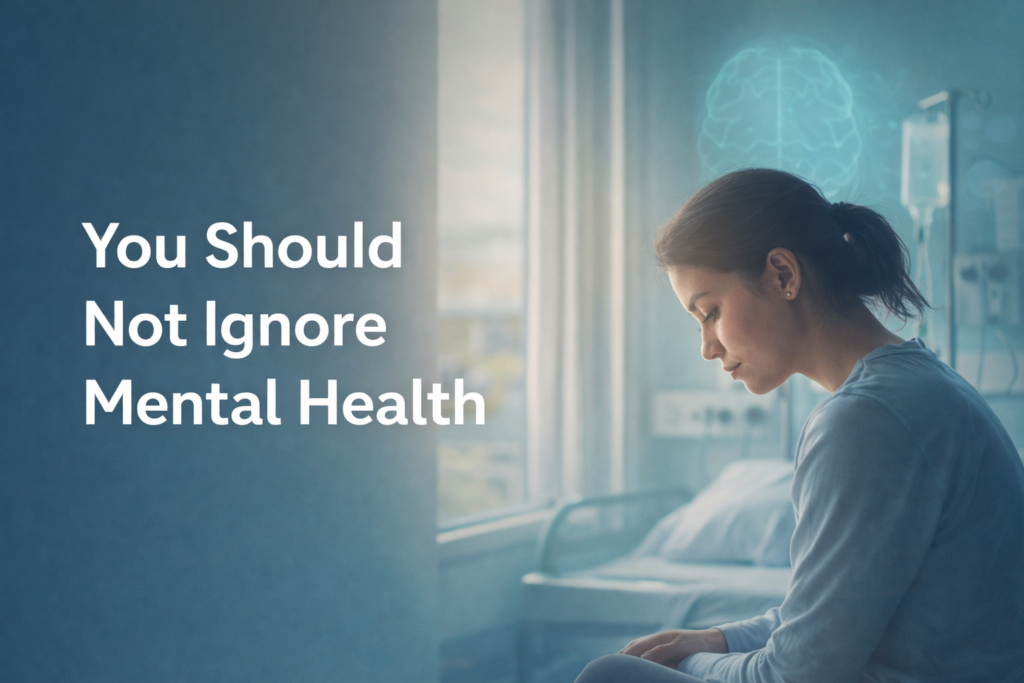
Mental health has become a crucial topic of conversation in recent years. As society progresses, the understanding of mental well-being and its connection to overall health continues to grow. Despite this awareness, mental health is still often overlooked.
Mental health is just as important as physical health. By taking proactive steps to care for emotional and psychological well-being, individuals can significantly improve their quality of life.
The Impact of Mental Health on Daily Life
Mental health affects work performance, relationships, and overall happiness. Individuals struggling with poor mental health may experience difficulty concentrating, feeling overwhelmed, or persistent sadness.
Depression and anxiety have been linked to heart disease, digestive issues, and sleep disorders. Addressing mental health concerns early can prevent long-term complications.
Ignoring emotional strain can lead to serious consequences over time. Early support makes recovery easier and more effective.
Mental Health Challenges Can Be Hidden
Unlike physical illnesses, mental health conditions are often invisible. Symptoms such as depression or anxiety may not be obvious to others.
Many individuals hide their struggles due to stigma or fear of misunderstanding. Encouraging open conversations creates a supportive environment for seeking help.
Common Mental Health Issues
Depression
A serious condition that affects mood, behavior, and daily functioning. It may cause hopelessness, fatigue, and loss of interest in activities.
Anxiety
Anxiety disorders involve excessive worry or fear that interferes with daily activities and may cause physical symptoms.
Stress
While stress is a natural response, chronic stress can negatively impact both mental and physical health.
Post-Traumatic Stress Disorder (PTSD)
PTSD can develop after traumatic experiences and may involve flashbacks, nightmares, and emotional distress.
Eating Disorders
Eating disorders affect eating behaviors and body image and are often connected to emotional or psychological challenges.
Signs That Mental Health Should Not Be Ignored
- Persistent sadness or hopelessness
- Difficulty concentrating
- Changes in sleep patterns
- Withdrawal from social activities
- Increased irritability
- Unexplained physical symptoms
- Loss of interest in daily activities
- Thoughts of self-harm
If these symptoms persist, seeking professional guidance is essential. Early intervention prevents more severe mental health conditions.
The Importance of Seeking Help
Mental health care is just as important as physical health care. Therapists, counselors, and psychologists provide coping strategies and treatment options tailored to individual needs.
Support from family and friends also plays an important role in emotional recovery and stability.
Building Mental Resilience
- Self-care: Practice activities that promote relaxation.
- Physical health: Maintain a healthy diet and regular exercise.
- Mindfulness: Use meditation and breathing techniques.
- Social support: Stay connected with loved ones.
- Professional support: Seek help when challenges feel overwhelming.
Conclusion
Mental well-being affects relationships, productivity, and overall quality of life. Prioritizing mental health leads to a healthier and more balanced life.
Breaking the silence around mental health encourages early intervention and better outcomes for everyone.