
Overview
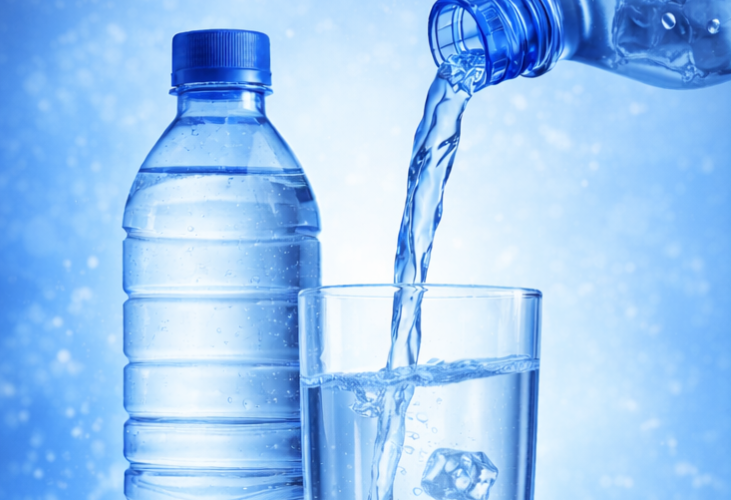
Hydration is fundamental to life and plays a critical role in maintaining overall health and well-being. Water, often considered the elixir of life, constitutes about 60% of the human body and is involved in nearly every bodily function. Despite its significance, many individuals underestimate the importance of staying adequately hydrated. Understanding how hydration affects physical, mental, and emotional health can encourage better hydration habits and a healthier lifestyle.
How Hydration Impacts the Body
Water is essential for regulating body temperature, lubricating joints, delivering nutrients to cells, and removing waste products. Dehydration, even in its mild form, can disrupt these processes, leading to health issues that may range from fatigue to severe complications. Proper hydration ensures the body functions efficiently and supports the following:
Cellular Function and Energy Production
Every cell in the body relies on water to function effectively. Water acts as a medium for biochemical reactions, including those that produce energy. Without adequate hydration, cells struggle to perform, leading to a noticeable dip in energy levels.
Temperature Regulation
The body maintains its temperature through sweating, which requires sufficient water levels. Inadequate hydration can hinder this process, increasing the risk of heat exhaustion or heat stroke, particularly during hot weather or physical exertion.
Brain Performance
Cognitive functions such as focus, memory, and problem-solving are directly linked to hydration. Even slight dehydration can impair mental performance, affect mood, and increase anxiety levels.
Digestive Health
Water aids in the digestion process by helping break down food and facilitating nutrient absorption. It also prevents constipation by softening stools, making it an integral component of a healthy digestive system.
Kidney Function
The kidneys filter waste from the blood and excrete it as urine. Staying hydrated supports kidney health and reduces the risk of kidney stones and other renal complications.
Signs of Dehydration
Recognizing dehydration symptoms is crucial for timely intervention. Common signs include:
- Thirst
- Dry mouth and lips
- Fatigue or low energy
- Dark yellow urine
- Dizziness or lightheadedness
- Headaches
In severe cases, dehydration can lead to rapid heartbeat, confusion, or fainting, requiring immediate medical attention.
Myths About Hydration
Eight Glasses a Day
The popular “eight glasses a day” rule is a general guideline and may not suit everyone. Individual water needs vary based on age, weight, activity level, and climate.
Caffeinated Drinks Dehydrate
Although caffeine has a mild diuretic effect, moderate consumption of coffee or tea contributes to daily fluid intake rather than causing dehydration.
Clear Urine Indicates Perfect Hydration
Clear urine can indicate good hydration, but pale yellow is a healthier benchmark, showing proper waste removal while retaining essential nutrients.
Practical Tips for Staying Hydrated
- Start the Day with Water: Replenishes fluids lost overnight and boosts metabolism.
- Eat Hydrating Foods: Fruits and vegetables like watermelon and cucumber provide water and nutrients.
- Set Reminders: Apps or alarms help maintain consistent water intake.
- Carry a Reusable Water Bottle: Makes hydration easier on busy days.
- Monitor Physical Activity: Increased activity requires additional water intake.
- Adjust for Climate: Hot or cold weather increases hydration needs.
The Role of Hydration in Preventative Health
Proper hydration helps prevent urinary tract infections, supports cardiovascular health, and aids in maintaining a healthy weight by reducing hunger mistaken for thirst. For individuals with conditions such as diabetes, adequate hydration supports symptom management and overall treatment.
Special Considerations for Different Age Groups
Children need sufficient hydration for growth and energy, while older adults may need reminders due to a reduced sense of thirst. Pregnant and breastfeeding women require increased water intake to support themselves and their babies.
Hydration in a Modern Lifestyle
Busy schedules and prolonged screen time can lead to neglected hydration. Incorporating water breaks into daily routines improves productivity, mental clarity, and overall quality of life.
Conclusion
Hydration is more than just quenching thirst—it is essential for physical, mental, and emotional well-being. Recognizing dehydration signs, correcting myths, and adopting smart hydration habits can significantly improve health outcomes. Making hydration a daily priority ensures optimal body function and a healthier, more fulfilling life.