



Overview
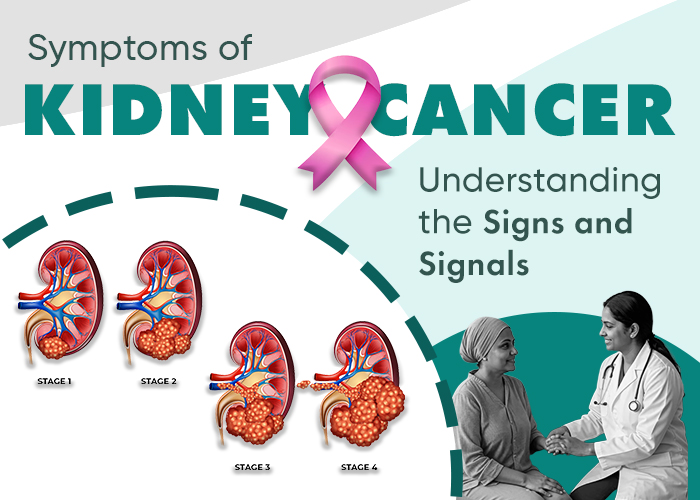
Kidney cancer, a condition that affects the cells of the kidneys, often goes unnoticed in its early stages. As the kidneys are located deep within the body, symptoms may not appear immediately. Awareness and early detection are essential for effective treatment and better outcomes.
What is Kidney Cancer?
Kidney cancer develops when abnormal cells in the kidneys grow uncontrollably, forming a tumor. The most common type is renal cell carcinoma, which accounts for the majority of cases. Other types, such as transitional cell carcinoma and Wilms’ tumor (primarily affecting children), are less common but still significant.
Recognizing Symptoms of Kidney Cancer
1. Blood in the Urine (Hematuria)
One of the most common symptoms of kidney cancer is blood in the urine. It may appear pink, red, or cola-colored. Even if painless or temporary, this symptom should never be ignored.
2. Persistent Pain in the Side or Lower Back
Ongoing pain in the side (flank) or lower back, especially on one side, can signal an underlying kidney issue. While the pain may not be severe, persistent discomfort warrants medical evaluation.
3. Unexplained Weight Loss
Sudden weight loss without changes in diet or physical activity can be concerning. This may occur as the body expends extra energy to fight cancer or due to decreased appetite.
4. Fatigue
Profound tiredness that does not improve with rest may be linked to kidney cancer. This can result from anemia, where reduced red blood cell production lowers oxygen supply to the body.
5. Fever
Recurrent fevers not associated with infection may indicate kidney cancer. These fevers often occur intermittently and may accompany other symptoms.
6. Lump or Mass in the Abdomen
In some cases, a lump or mass may be felt in the abdomen or side. Although not always painful, imaging tests are necessary to confirm its cause.
7. High Blood Pressure (Hypertension)
The kidneys help regulate blood pressure. A tumor affecting kidney function can lead to elevated blood pressure levels.
8. Swelling in the Ankles or Legs
Swelling, or edema, in the lower limbs may occur if kidney function is compromised and fluid balance is disrupted.
9. Loss of Appetite and Nausea
Reduced appetite and ongoing nausea may develop as kidney cancer progresses and impacts overall body function.
Factors That May Overlap Symptoms
Many kidney cancer symptoms overlap with non-cancerous conditions such as kidney stones, urinary tract infections, or benign kidney tumors. This similarity makes medical evaluation essential for accurate diagnosis.
Who is at Risk?
Certain risk factors increase the likelihood of developing kidney cancer. Smoking, obesity, high blood pressure, and family history are major contributors. Exposure to harmful chemicals such as asbestos or cadmium and certain genetic conditions also elevate risk.
When to Seek Medical Attention
If symptoms such as blood in the urine, persistent side pain, or unexplained weight loss occur, seeking medical evaluation is crucial. Diagnostic tools such as ultrasound, CT scan, or MRI can help determine the underlying cause.
The Role of Early Detection
Kidney cancer detected in early stages is often treatable. When confined to the kidney, treatment may involve surgery and, in some cases, additional therapies. Early diagnosis significantly improves treatment success.
Final Thoughts
Awareness of kidney cancer symptoms is the first step toward timely intervention. Persistent warning signs such as blood in the urine, side pain, or unexplained weight loss should never be overlooked.
Regular medical check-ups, particularly for individuals at higher risk, are essential. Early detection provides greater treatment options and better long-term outcomes.