



Blog Summary
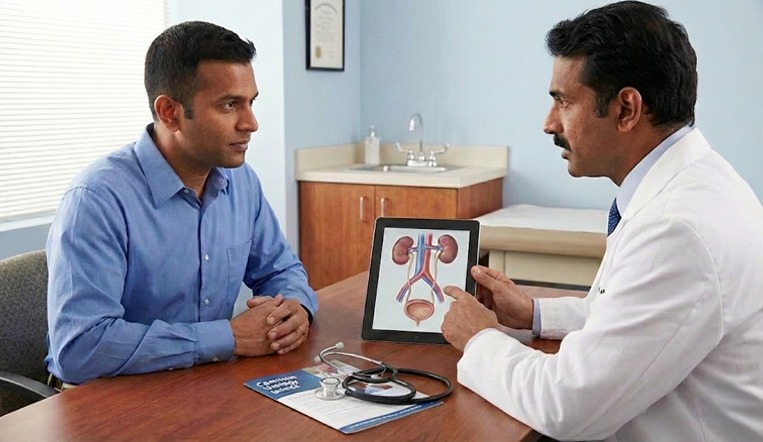
Urology focuses on diagnosing and treating conditions related to the urinary tract and the male reproductive system. These issues, often widespread and affecting individuals across all demographics, can significantly impact daily life and overall well-being. Understanding common urological problems is a critical step toward effective management and timely intervention.
Urinary Tract Infections (UTIs):
One of the most prevalent urological issues, urinary tract infections, primarily affect women but can occur in men as well. They result from bacterial infections that cause inflammation in the urinary tract. Common symptoms include a burning sensation during urination, frequent urination, cloudy or strong-smelling urine, and pelvic pain.
Management involves early diagnosis, antibiotic treatment, and lifestyle changes such as increased hydration and proper hygiene practices.
Kidney Stones:
Kidney stones form when minerals and salts crystallize in the kidneys. They can cause severe pain, particularly in the lower back or abdomen, nausea, and difficulty urinating. Larger stones may require medical intervention, including shockwave lithotripsy, ureteroscopy, or in severe cases, surgery.
Preventive measures include staying hydrated, reducing sodium intake, and maintaining a balanced diet to avoid excessive calcium or oxalate accumulation.
Benign Prostatic Hyperplasia (BPH):
Benign Prostatic Hyperplasia, or BPH, is common in aging men and involves the non-cancerous enlargement of the prostate gland. Symptoms include difficulty starting urination, a weak urine stream, frequent nighttime urination, and incomplete bladder emptying.
Management includes lifestyle changes, medications like alpha-blockers, and minimally invasive surgical procedures, depending on severity.
Prostate Cancer:
Prostate cancer is one of the most diagnosed cancers in men. Often asymptomatic in its early stages, symptoms may later include difficulty urinating, blood in the urine, or pain during ejaculation. Regular screenings, including prostate-specific antigen (PSA) tests and digital rectal exams, are vital for early detection and treatment.
Incontinence:
Urinary incontinence refers to the loss of bladder control, affecting both men and women. It can result from aging, childbirth, hormonal changes, or neurological disorders. Stress incontinence, caused by pressure from coughing or sneezing, and urge incontinence, marked by a sudden need to urinate, are common types.
Treatment options include pelvic floor exercises, medications, bladder training, and surgical interventions for severe cases.
Erectile Dysfunction (ED):
Erectile dysfunction is a condition where men face difficulty achieving or maintaining an erection. While often associated with aging, it can result from cardiovascular issues, diabetes, psychological factors, or lifestyle habits such as smoking or excessive alcohol consumption.
Management involves addressing underlying health conditions, lifestyle changes, counseling, or medications like phosphodiesterase inhibitors.
Bladder Stones:
Bladder stones develop from concentrated urine which leads to mineral crystallization in the bladder. Symptoms include lower abdominal pain, frequent urination, blood in the urine, and painful urination. Left untreated, these stones can cause complications such as urinary infections or bladder damage.
Treatment includes drinking more water to flush small stones or undergoing medical procedures like cystoscopy for larger stones.
Overactive Bladder (OAB):
Overactive bladder is characterized by a sudden, uncontrollable urge to urinate, often accompanied by frequent urination or urge incontinence. It can result from muscle contractions in the bladder, neurological conditions, or hormonal changes.
Treatment includes behavioral therapies, pelvic floor exercises, medications, and in some cases, neuromodulation therapy.
Kidney Disease:
Chronic kidney disease (CKD) affects the kidneys’ ability to filter waste and maintain fluid balance. Early symptoms include fatigue, swelling in extremities, and changes in urination patterns. Advanced stages may require dialysis or kidney transplantation.
Management involves controlling underlying conditions like diabetes or hypertension, maintaining a kidney-friendly diet, and routine monitoring by a healthcare professional.
Urinary Retention:
Urinary retention occurs when individuals cannot empty their bladder. This condition can be acute or chronic and may result from BPH, nerve problems, or medications. Symptoms include difficulty starting urination, weak urine flow, and a feeling of fullness in the bladder.
Treatment options vary, from catheterization to address immediate retention to medications or surgery for long-term management.
Urinary Tract Obstructions:
Blockages in the urinary tract, caused by kidney stones, tumors, or scarring, can hinder the flow of urine, leading to pain, infection, or kidney damage. Symptoms vary based on the location of the obstruction but often include pain and changes in urination.
Surgical removal of the blockage or other minimally invasive techniques may be necessary.
Infertility in Men:
Male infertility, often linked to urological conditions, can arise from issues such as low sperm count, hormonal imbalances, or varicocele (enlargement of veins within the scrotum). Advances in diagnostic tools and assisted reproductive technologies provide various treatment options to address infertility effectively.
Pediatric Urological Issues:
Children may also face urological concerns, such as bedwetting, urinary tract infections, or congenital abnormalities like vesicoureteral reflux. Early diagnosis and treatment are critical for preventing complications and ensuring healthy development.
The Importance of Regular Urology Check-ups:
Many urological conditions can be asymptomatic in their early stages, emphasizing the need for regular check-ups. Routine screenings for prostate health, kidney function, and bladder health can detect problems early, ensuring timely treatment and better outcomes.
Maintaining an open dialogue with healthcare providers and staying informed about personal health risks are essential steps in managing urological health.
Tips for Preventing Urological Issues:
- Stay Hydrated: Drinking adequate water helps flush toxins and reduces the risk of kidney stones and urinary infections.
- Follow a Balanced Diet: Reducing sodium, caffeine, and alcohol intake while increasing fiber can promote urinary health.
- Practice Good Hygiene: Proper hygiene reduces the risk of infections, particularly UTIs.
- Exercise Regularly: Physical activity supports overall health, including better urinary system function.
- Seek Timely Medical Advice: Ignoring symptoms like pain, blood in urine, or changes in urination can lead to complications.
Conclusion:
Understanding common urological issues and their symptoms empowers individuals to take proactive steps in maintaining urinary health. Regular consultations with urologists, healthy lifestyle choices, and timely intervention ensure that many of these conditions are manageable and preventable. Awareness and education remain crucial in promoting urological health across all age groups.
Need Expert Urological Advice?
Consult our specialists for accurate diagnosis and personalized treatment.