



Overview
In recent years, there has been a noticeable rise in cases of depression worldwide. This growing trend is particularly concerning because depression affects not only individuals but also communities, workplaces, and society as a whole. Depression is a complex mental health condition that can arise from a combination of biological, environmental, and psychological factors.
The modern world, with its fast-paced lifestyle, technological advances, and social pressures, has created an environment where depression is becoming increasingly common. Below are some key reasons contributing to the rise of depression in today’s society.
What Causes Depression in Today’s World?
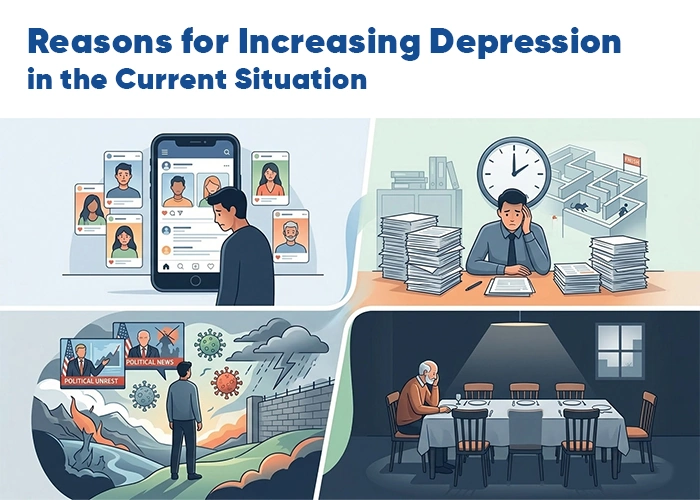
Depression in today’s world is often caused by a combination of social pressure, technology overuse, work-related stress, loneliness, lifestyle changes, and global uncertainties. These factors affect emotional balance, leading to persistent sadness, anxiety, and loss of motivation.
1. The Impact of Technology and Social Media
One of the most significant contributors to rising depression rates is the widespread use of technology, particularly social media. While social media platforms offer opportunities for connection and communication, they also create an environment of comparison and validation-seeking.
Many individuals, especially younger generations, constantly compare their lives with the carefully curated highlights of others online. This can lead to feelings of inadequacy, loneliness, and isolation.
Constant exposure to idealized images and lifestyles can negatively affect self-esteem and mental health. Additionally, excessive screen time has reduced face-to-face interactions, leaving people feeling disconnected from real social relationships.
2. Pressure of Work and Career Expectations
In today’s competitive job market, individuals often face intense pressure to succeed professionally. The constant pursuit of career advancement, job security, and financial stability can lead to burnout and chronic stress.
Long working hours, unrealistic expectations, and poor work-life balance can significantly impact mental well-being. Job insecurity, particularly in industries undergoing technological changes or economic instability, also increases anxiety and emotional stress.
3. Uncertainty and Global Challenges
The current global environment, including political instability, economic uncertainty, and global health crises, has also contributed to increasing depression rates. Events such as the COVID-19 pandemic, economic recessions, climate change concerns, and geopolitical tensions have created widespread anxiety.
When individuals feel uncertain about their future, whether related to employment, health, or financial stability, it becomes difficult to maintain a positive outlook on life.
4. Increased Loneliness and Social Isolation
Despite technological connectivity, genuine human interaction has decreased. Many individuals spend more time communicating digitally rather than engaging in meaningful in-person relationships.
This shift has contributed to rising levels of loneliness and emotional isolation. Loneliness has a profound impact on mental health and can trigger feelings of sadness, anxiety, and depression.
Older adults are particularly vulnerable to isolation, but younger individuals are increasingly affected as well due to lifestyle changes and digital dependency.
5. Limited Access to Mental Health Support
Another major factor contributing to rising depression rates is limited access to mental health resources. Although awareness about mental health has improved, many individuals still struggle to access professional help.
Financial limitations, shortages of mental health professionals, and the stigma associated with seeking psychological support prevent many people from getting the help they need.
This lack of support systems can worsen depression, especially in rural areas or low-income communities where mental health services are limited.
6. Poor Lifestyle Habits and Physical Health Issues
Modern lifestyles often involve reduced physical activity, unhealthy eating habits, and insufficient sleep. These factors negatively affect both physical and mental health.
Sedentary behavior and excessive consumption of processed foods can lead to chronic health problems, which in turn increase the risk of depression.
Physical health and mental health are closely connected. When the body is unhealthy, emotional well-being is often affected as well.
7. Increased Awareness and Diagnosis
While rising depression statistics may seem alarming, part of the increase can also be attributed to greater awareness of mental health issues. Today, individuals are more likely to recognize symptoms and seek medical help.
In the past, many cases of depression went undiagnosed or were misunderstood. Increased awareness allows people to identify symptoms earlier and access appropriate treatment.
8. Unresolved Trauma and Stressful Life Events
Unresolved trauma and difficult life experiences can significantly increase the risk of depression. Individuals who have experienced abuse, loss of a loved one, financial hardship, or major life transitions may struggle emotionally.
Stressful life events often overwhelm emotional resilience. Even when these events occur years earlier, their psychological effects may gradually contribute to depression.
Conclusion
The rising prevalence of depression in today’s world is influenced by multiple factors, including technological changes, societal pressures, lifestyle habits, and limited access to mental health resources.
Addressing depression requires awareness, supportive communities, and access to proper mental health care. Encouraging open conversations, reducing stigma, and promoting healthier lifestyles can help individuals manage their mental health more effectively.
Seeking professional help when needed and prioritizing emotional well-being are important steps toward creating a healthier and more supportive society.