



Overview
The prostate is a small gland located in the male pelvis that plays an important role in reproductive health. As men age, the prostate becomes more susceptible to certain conditions such as Benign Prostatic Hyperplasia (BPH), commonly known as an enlarged prostate. Understanding this condition and learning how to manage it can help maintain overall health and well-being.What is Benign Prostatic Hyperplasia (BPH)?
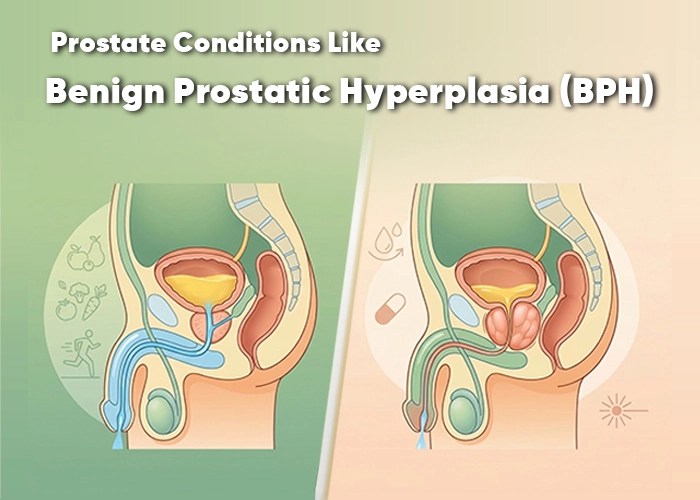
Benign Prostatic Hyperplasia (BPH) is a non-cancerous enlargement of the prostate gland that commonly occurs as men grow older. The condition develops when prostate cells multiply, causing the gland to enlarge and press against the urethra. This pressure can lead to a range of urinary symptoms that vary in severity among individuals.Symptoms of BPH
The symptoms of BPH mainly affect urination and may include:- Frequent urination: Increased urge to urinate, especially at night (nocturia).
- Difficulty starting urination: Hesitation or delay when beginning to urinate.
- Weak urine stream: Reduced strength of urine flow.
- Incomplete bladder emptying: Feeling that the bladder is not fully empty after urination.
- Dribbling: Leakage of urine after finishing urination.
Causes and Risk Factors
Although the exact cause of BPH is not completely understood, several factors may contribute to its development.- Ageing: BPH is more common in men above the age of 50.
- Hormonal Changes: Changes in testosterone and estrogen levels may influence prostate growth.
- Family History: A family history of prostate problems can increase the risk.
- Lifestyle Factors: Obesity, lack of exercise, and poor dietary habits may contribute to prostate enlargement.
Diagnosis of Benign Prostatic Hyperplasia
Doctors diagnose BPH through a combination of medical history, physical examination, and diagnostic tests.- Digital Rectal Exam (DRE): A physical examination used to assess the size and condition of the prostate.
- Prostate-Specific Antigen (PSA) Test: A blood test used to help rule out prostate cancer.
- Urine Tests: Used to detect infections or other urinary conditions.
- Ultrasound or Imaging Tests: Used to examine the prostate and urinary tract in detail.
Managing BPH
The treatment for BPH depends on the severity of symptoms and how much they affect a person’s daily life. Management options include lifestyle changes, medications, and surgical treatments.1. Lifestyle Modifications
- Healthy Diet: Eating fruits, vegetables, and whole grains supports prostate health.
- Regular Exercise: Physical activity helps maintain hormonal balance and reduce symptoms.
- Bladder Training: Scheduling bathroom visits and limiting fluid intake at night may help reduce urinary symptoms.
2. Medications
- Alpha Blockers: These relax the muscles of the prostate and bladder to improve urine flow.
- 5-Alpha Reductase Inhibitors: These medications shrink the prostate by reducing hormone levels responsible for prostate growth.
- Combination Therapy: Sometimes doctors prescribe both types of medication for better results.
3. Minimally Invasive Procedures
- Transurethral Microwave Therapy (TUMT): Uses microwave energy to shrink prostate tissue.
- UroLift: A procedure that lifts and holds enlarged prostate tissue away from the urethra to reduce blockage.
4. Surgical Treatments
When symptoms become severe or other treatments are ineffective, surgery may be recommended.- Transurethral Resection of the Prostate (TURP): One of the most common surgical procedures used to treat BPH.
- Laser Therapy: A minimally invasive technique that removes enlarged prostate tissue using laser energy.
Complications if BPH is Left Untreated
If untreated, BPH may lead to several complications including:- Urinary Retention: Inability to urinate, which requires immediate medical care.
- Bladder Damage: Prolonged pressure on the bladder due to incomplete emptying.
- Kidney Damage: Severe urinary retention may affect kidney function.
The Importance of Regular Urological Checkups
Regular urological check-ups are important for detecting prostate problems early. Men above the age of 40 are particularly encouraged to undergo routine screenings to monitor prostate health and prevent complications.Advancements in Prostate Care
Modern medical advancements have improved the diagnosis and treatment of BPH. Today, patients have access to minimally invasive procedures and personalized treatment plans that help manage symptoms effectively and improve quality of life.Raising Awareness and Support
Open discussions about prostate health help reduce stigma and encourage men to seek medical advice when symptoms arise. Support from family members and healthcare professionals plays a key role in promoting early diagnosis and treatment.Conclusion
Benign Prostatic Hyperplasia (BPH) is a manageable condition when diagnosed early and treated appropriately. Understanding the symptoms, risk factors, and treatment options can help men take control of their health. Regular check-ups with a urologist, combined with healthy lifestyle choices, can help manage BPH effectively and improve overall quality of life.Frequently Asked Questions About BPH
No. Benign Prostatic Hyperplasia (BPH) is a non-cancerous enlargement of the prostate gland. However, both conditions may share similar urinary symptoms, so proper medical evaluation is important to rule out prostate cancer.
BPH commonly occurs in men above 50 years of age and becomes more common as men grow older due to hormonal changes affecting the prostate gland.
Yes. Many cases of BPH can be managed through lifestyle changes and medications. Surgical treatment is usually recommended only when symptoms become severe or when other treatments do not provide relief.