



Overview
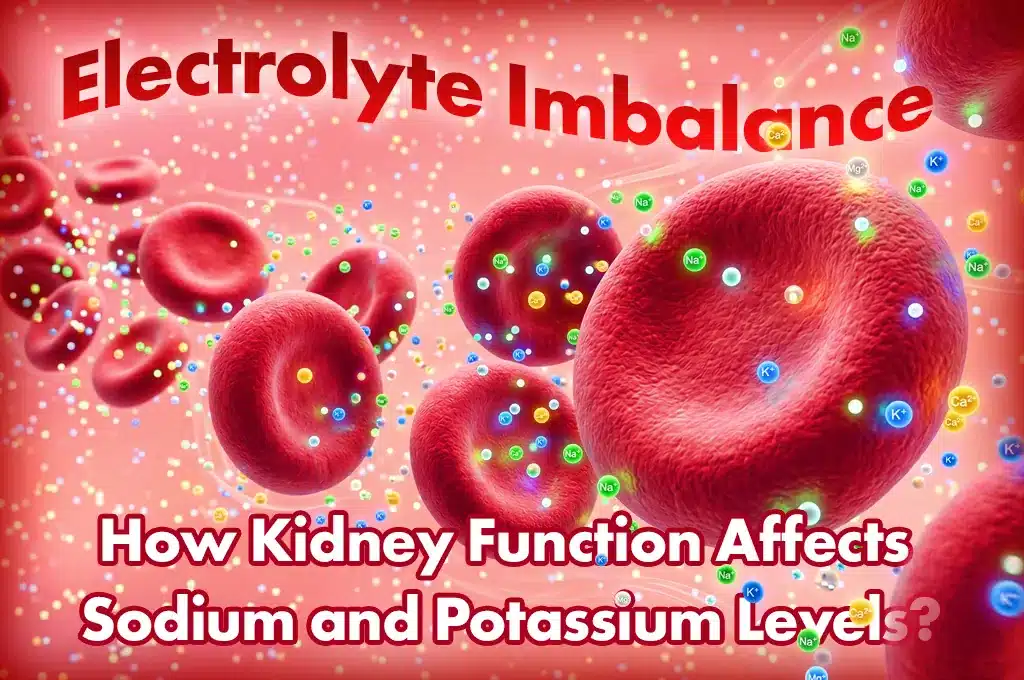
The human body depends on a delicate balance of minerals to function properly. Among these, electrolytes like sodium and potassium play a vital role in maintaining hydration, nerve signals, muscle function, and heart rhythm. When this balance is disrupted, it leads to an electrolyte imbalance.
The kidneys are the primary organs responsible for regulating electrolyte levels in the body. They help maintain the proper balance of sodium and potassium. When kidney function is impaired, electrolyte levels may become abnormal, leading to various health issues.
Understanding the relationship between kidney function and electrolyte balance can help detect potential problems early and support timely medical care.
What Are Electrolytes?
Electrolytes are minerals present in the body that carry an electric charge. They are found in the blood, urine, and other body fluids.
Some of the most important electrolytes include:
- Sodium
- Potassium
- Calcium
- Magnesium
- Chloride
Among these, sodium and potassium are especially important for maintaining fluid balance and supporting proper muscle and nerve function.
Role of Sodium in the Body
Sodium helps regulate:
- Fluid balance inside and outside cells
- Blood pressure
- Nerve function
The body requires sodium in the right amount—not too much and not too little.
Both excess and deficiency can lead to health complications.
Role of Potassium in the Body
Potassium plays a key role in:
- Muscle contraction
- Heart rhythm
- Nerve signaling
- Fluid balance
Maintaining proper potassium levels is essential because even small changes can affect heart and muscle function.
How Kidneys Regulate Electrolytes
The kidneys naturally filter waste products from the blood while regulating the body’s electrolyte balance.
They help by:
- Filtering excess sodium and potassium from the blood
- Reabsorbing the required amounts back into the bloodstream
- Regulating the body’s fluid balance
Healthy kidneys maintain normal electrolyte levels. When kidney function declines,
this regulation becomes less effective.
What Is Electrolyte Imbalance?
Electrolyte imbalance occurs when the levels of sodium, potassium, or other electrolytes become either too high or too low.
This may occur due to:
- Reduced kidney function
- Dehydration
- Certain medical conditions
- Medications
- Excessive fluid loss
Electrolyte imbalances may develop gradually or suddenly depending on the underlying cause.
How Kidney Problems Lead to Electrolyte Imbalance
If the kidneys are not functioning properly, they may:
- Fail to remove excess sodium, causing fluid retention
- Retain excessive potassium, resulting in hyperkalemia
- Cause excessive loss of essential electrolytes through urine
- Disrupt the body’s fluid and mineral balance
These imbalances can significantly affect the muscles, nervous system, and heart.
Symptoms of Electrolyte Imbalance
Symptoms vary depending on whether sodium or potassium levels are too high or too low.
Common symptoms include:
- Fatigue or weakness
- Muscle cramps or spasms
- Swelling in the body
- Irregular heartbeat
- Nausea or vomiting
- Confusion or difficulty concentrating
Some individuals experience only mild symptoms, while others may develop serious complications if the imbalance is left untreated.
Sodium Imbalance: What Happens?
Low Sodium (Hyponatremia)
Low sodium levels may lead to:
- Headache
- Nausea
- Confusion
- Weakness
High Sodium (Hypernatremia)
High sodium levels may cause:
- Excessive thirst
- Dryness
- Restlessness
- Swelling
Both conditions require medical attention, especially if symptoms persist.
Potassium Imbalance: What Happens?
Low Potassium (Hypokalemia)
Low potassium levels may result in:
- Muscle weakness
- Fatigue
- Irregular heart rhythm
High Potassium (Hyperkalemia)
High potassium levels may cause:
- Muscle weakness
- Heart rhythm disturbances
- General discomfort
Because potassium directly affects heart function, abnormal levels should never be ignored.
Who Is at Risk?
Certain individuals are more likely to develop electrolyte imbalances, including:
- People with kidney-related conditions
- Individuals experiencing dehydration
- Those taking certain medications
- Older adults
- People with chronic diseases
Identifying these risk factors helps with early prevention and management.
Diagnosis
Diagnosis begins with a review of symptoms, medical history, and lifestyle factors. Blood tests are performed to measure sodium, potassium, and other electrolyte levels. Urine tests may also be recommended to assess kidney function and identify possible causes of the imbalance.
Additional investigations may be required depending on the individual’s condition. The goal of diagnosis is to identify the underlying cause and guide appropriate treatment.
Treatment
Treatment focuses on restoring normal electrolyte levels and managing the underlying cause.
Management may include:
- Adjusting fluid intake
- Correcting dietary imbalances
- Managing kidney disease or other underlying conditions
- Reviewing medications that affect electrolyte levels
Treatment depends on whether electrolyte levels are too high or too low and on the severity of the imbalance. Medical supervision is important to ensure safe correction.
Lifestyle Tips to Maintain Electrolyte Balance
Healthy lifestyle habits can support kidney function and help maintain electrolyte balance.
Helpful tips include:
- Drink adequate fluids regularly.
- Eat a balanced, nutrient-rich diet.
- Avoid excessive salt intake.
- Manage diabetes and high blood pressure effectively.
- Attend regular health checkups.
When to Seek Medical Advice
Consult a healthcare provider if you experience:
- Persistent weakness or fatigue
- Irregular or abnormal heartbeats
- Swelling of the body
- Known kidney-related conditions
- Symptoms that worsen or fail to improve
Early medical evaluation can help prevent complications and ensure timely treatment.
Conclusion
Electrolyte balance is essential for the healthy functioning of the body. The kidneys play a crucial role in maintaining proper sodium and potassium levels. When kidney function declines, electrolyte imbalances can develop and affect multiple organs, especially the heart, muscles, and nervous system.
Understanding how kidney health influences electrolyte balance helps individuals recognize warning signs early. With timely diagnosis, appropriate treatment, healthy lifestyle habits, and regular monitoring, electrolyte imbalances can be effectively managed to support long-term health and well-being.