
Overview
Testicular health is an important but often overlooked aspect of men’s well-being.
Any noticeable change in the size, shape, or consistency of the testicles can be concerning.
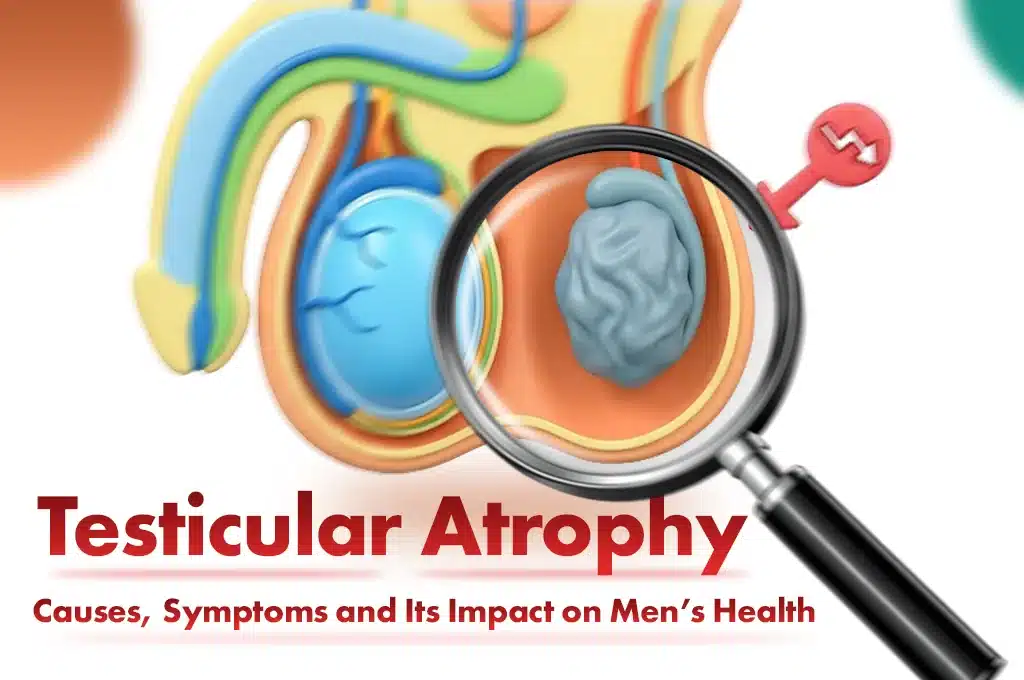
One such condition is testicular atrophy, where one or both testicles shrink in size.
While this condition may not always cause immediate discomfort, it can have implications for fertility, hormone levels, and overall health. Understanding the causes, symptoms, and when to seek medical help are vital steps towards effectively managing the condition.
What Is Testicular Atrophy?
Testicular atrophy is the reduction in the size of the testicles, primarily as a result of changes in the tissues responsible for sperm production.
The testicles play a vital role in:
- Producing sperm
- Producing testosterone (the primary male hormone)
When the testicles shrink, their ability to perform these functions may be affected.
Causes of Testicular Atrophy
There are several possible reasons why testicular atrophy may occur. In many cases, it develops gradually and may go unnoticed initially.
Aging
As men age, natural changes in hormone levels may lead to a gradual decrease in testicular size.
Hormonal Imbalance
Changes in testosterone or other hormones can affect testicular function and lead to shrinkage.
Infections
Certain infections affecting the testicles may cause inflammation and damage to the tissue.
Reduced Blood Supply
Conditions that affect blood flow to the testicles can gradually damage the tissues.
Injury or Trauma
Physical injury to the testicles may result in tissue damage and shrinkage.
Lifestyle Factors
Alcohol abuse and the use of harmful substances can negatively affect testicular health.
Chronic Medical Conditions
Certain long-term health conditions may impact hormone levels and reproductive function.
Symptoms to Watch For
Testicular atrophy may not always cause pain, but there are certain signs that can help identify the condition.
Common symptoms include:
- Noticeable reduction in testicle size
- Softening or change in consistency
- Reduced sexual drive
- Fatigue or low energy levels
- Difficulty with fertility
- Decreased muscle mass or strength
In some cases, there may also be a feeling of heaviness or mild discomfort in the scrotum.
Impact on Men’s Health
Testicular atrophy can affect multiple aspects of men’s health, particularly when it involves hormone production or sperm formation.
Fertility
Since the testicles produce sperm, shrinkage may affect sperm production and quality.
Hormonal Health
Reduced testosterone levels can lead to:
- Decreased libido
- Fatigue
- Mood changes
- Reduced muscle mass
Emotional and Psychological Effects
Changes in reproductive health may impact confidence, self-esteem, and emotional well-being.
When Should You Be Concerned?
Medical evaluation is recommended if:
- There is a noticeable decrease in testicle size.
- Changes occur suddenly.
- There is pain, swelling, or discomfort.
- There are signs of hormonal imbalance.
- Fertility concerns arise.
Early assessment helps identify the cause and prevents potential complications.
Diagnosis
Diagnosis of testicular atrophy usually begins with a detailed discussion about symptoms, medical history, and lifestyle factors.
A physical examination is performed to assess the size, shape, and consistency of the testicles. To know more kindly visit our vedanayagm hospital.
Basic laboratory tests may be recommended to evaluate hormone levels and overall health.
In some cases, additional imaging or specialised tests may be suggested to better understand the condition and identify the underlying cause.
The goal of diagnosis is to determine why the atrophy has occurred and assess its impact on overall health.
Treatment
Treatment for testicular atrophy depends on the underlying cause and the extent of the condition.
In general, management focuses on:
- Addressing the root cause
- Supporting hormone balance
- Improving overall health
If the condition is related to lifestyle factors, appropriate lifestyle changes may help
prevent further progression.
When hormonal imbalance is present, medical guidance may be provided to help restore hormonal balance.
Patients with fertility concerns may undergo further evaluation and receive supportive care.
Treatment is tailored according to the patient’s condition and health goals.
Lifestyle Measures to Support Testicular Health
Maintaining good overall health can help support testicular function.
Helpful practices include:
- Maintaining a balanced diet
- Avoiding excessive alcohol and smoking
- Staying physically active
- Managing stress effectively
- Seeking timely medical advice for any symptoms
Regular health checkups can also help detect changes early.
Preventive Awareness
Although some causes of testicular atrophy cannot be prevented,
awareness plays a significant role in early detection.
Men are advised to:
- Perform regular self-examinations
- Pay attention to changes in size and consistency
- Seek medical advice if unusual symptoms occur
Early awareness can improve management and overall outcomes.
Conclusion
Testicular atrophy is a condition characterized by the shrinking of one or both testicles, potentially affecting fertility, hormone production, and overall health. Although it may not always present noticeable symptoms, it should never be ignored. Recognizing the signs early and seeking prompt medical evaluation can help identify the underlying cause and support appropriate treatment, ultimately protecting long-term reproductive and overall health.