


Kidney Transplant
- Home
- Services
- Kidney Transplant
Kidney disease quietly affects every aspect of life – your energy, independence, and well-being. When kidney function declines beyond recovery, a transplant becomes a life-changing opportunity for renewed health.
At Vedanayagam Hospital, with over 45 years of excellence in renal and urological care, we provide comprehensive, patient-focused support for those seeking kidney transplant in Coimbatore. Our experienced team of nephrologists, urologists, critical care specialists, and transplant coordinators work together – from initial evaluation and donor matching to surgery, recovery, and long-term follow-up.
For patients seeking the best kidney transplant hospital in Coimbatore, we offer clinical excellence, ethical practices, advanced infrastructure, and personalized care.
What is a Kidney Transplant?
A kidney transplant is a surgical procedure in which a healthy kidney from a living or deceased donor is placed into a patient whose kidneys can no longer perform their essential functions. The kidneys play a vital role in filtering waste, balancing fluids, regulating blood pressure, and maintaining overall body health.
A transplant is generally recommended for patients with end-stage kidney disease or severe chronic kidney failure — especially when kidney function drops below 10–15% capacity or when dialysis alone is no longer sufficient to maintain a good quality of life.
During surgery, the donor kidney is carefully placed in the lower abdomen and connected to the patient’s blood vessels and bladder. In most cases, the original kidneys are left in place unless there is a specific medical reason to remove them. Once connected, the transplanted kidney may begin functioning immediately – all under the careful monitoring of a specialized transplant team.
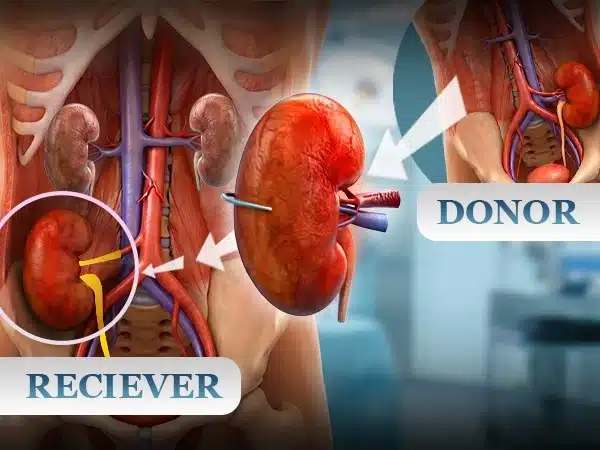
Chronic Kidney Failure Below 10–15% Function
When kidney function drops below 10–15%, the body struggles to maintain fluid balance and remove waste products effectively. At this stage, patients often experience significant physical discomfort and complications related to advanced kidney failure. A successful kidney transplant may help improve overall health, energy levels, and long-term well-being.

- Persistent fatigue and weakness.
- Swelling in the legs, ankles, and face.
- Shortness of breath.
- Loss of appetite or unexplained weight loss.
- High blood pressure that is difficult to control.
- Reduced urine output.
- Nausea, vomiting, or persistent itching.
Kidney Transplant Cost in Coimbatore
One of the most common concerns among patients and families is understanding the kidney transplant cost in Coimbatore and the overall financial planning involved. The total cost can vary depending on several factors including the patient’s health condition, donor type, ICU stay duration, surgical complexity, medications, investigations, and post-operative care.
At Vedanayagam Hospital, the overall transplant expenses may include:
- Recipient evaluation & donor testing
- Transplant surgery & operation theatre charges
- ICU stay & hospital admission
- Immunosuppressive medications
- Laboratory investigations
- Post-discharge follow-up care
- Long-term medication & regular monitoring
Compared to many metropolitan cities, the kidney transplant cost in Coimbatore is often more accessible while still offering advanced medical support, experienced specialists, and comprehensive transplant care. Our team provides transparent financial guidance to help patients and families plan their treatment with clarity and confidence.
- Pre-transplant recipient evaluation and investigations.
- Donor evaluation and compatibility testing.
- ICU and hospital stay after surgery.
- Immunosuppressive medications and supportive treatment.
- Follow-up consultations, laboratory tests, and long-term monitoring.
Life After Kidney Transplant
A successful kidney transplant can significantly improve overall health, energy levels, and quality of life. Many patients are able to gradually return to their normal daily routines, work, and regular activities within a few months after recovery, depending on their overall health and post-transplant progress.
How Long Does a Transplanted Kidney Last?
With regular medical follow-up, proper medication adherence, and healthy lifestyle practices, a transplanted kidney can function effectively for many years – often 15 to 20 years or longer in suitable cases. In general, kidneys from living donors may offer better long-term outcomes compared to deceased donor transplants.
Diet & Lifestyle After Kidney Transplant
Long-term transplant success depends greatly on maintaining a healthy lifestyle and following medical guidance carefully. After transplantation, patients receive personalised dietary and lifestyle recommendations based on their health condition and recovery progress.
General recommendations may include:
- Limiting excess salt and processed foods
- Maintaining proper hydration
- Avoiding raw or undercooked foods due to infection risk
- Maintaining a healthy body weight
- Following regular physical activity as medically advised
- Avoiding smoking and self-medication
- Taking immunosuppressive medications exactly as prescribed
⚕️ Regular follow-up visits and laboratory monitoring are extremely important for maintaining healthy kidney function after transplant.
Frequently Asked Questions About Kidney Stones
The success rate of kidney transplantation depends on several factors including donor compatibility, patient health condition, timely medical care, medication adherence, and regular follow-up. At experienced transplant centres, one-year graft survival rates are generally very high. Long-term success is strongly influenced by maintaining prescribed medications, attending regular medical reviews, and following healthy lifestyle practices after surgery.
Kidney transplant surgery typically takes around 3 to 4 hours, although the duration may vary depending on the complexity of the case, the patient’s medical condition, and prior surgical history. After surgery, patients are closely monitored in the intensive care unit before moving to the recovery ward.
In most cases, the original kidneys are left in place unless there is a specific medical reason to remove them, such as recurrent infections, severe enlargement, uncontrolled blood pressure, or other complications. Over time, the non-functioning kidneys usually shrink and do not cause major problems.
A transplanted kidney may function effectively for many years with proper medications, regular follow-up care, healthy lifestyle practices, and close monitoring by the transplant team. Long-term outcomes vary depending on donor compatibility, patient health, and adherence to treatment recommendations.
Alcohol consumption should always be discussed with the transplant specialist, as it may interact with medications, affect liver and kidney health, and influence long-term recovery. Individual recommendations may vary depending on the patient’s medical condition and medications.
Maintaining hydration, taking immunosuppressive medications exactly as prescribed, controlling blood pressure and diabetes, attending regular follow-up visits, and following dietary recommendations are important steps in supporting healthy kidney function after transplant.
In uncomplicated cases, most patients are discharged within 10 to 14 days after surgery. This generally includes a short ICU stay followed by monitored recovery in the hospital ward. Recovery duration may vary depending on individual health conditions and post-operative progress.
Light daily activities can usually be resumed within a few weeks after surgery. Depending on recovery progress, patients may gradually return to office work, driving, and moderate physical activity over the following months. The transplant team provides personalised guidance based on each patient’s recovery and overall health condition.
Patients looking for the best kidney transplant hospital in India, top kidney transplant centres, or a reliable kidney transplant hospital often prioritise experienced specialists, ethical transplant practices, advanced infrastructure, and long-term patient support. With more than 45 years of dedicated renal and urological care, Vedanayagam Hospital continues to focus on comprehensive, ethical, and patient-centred transplant care for patients in Coimbatore and across Tamil Nadu.