


Acidity vs GERD: How to Tell the Difference
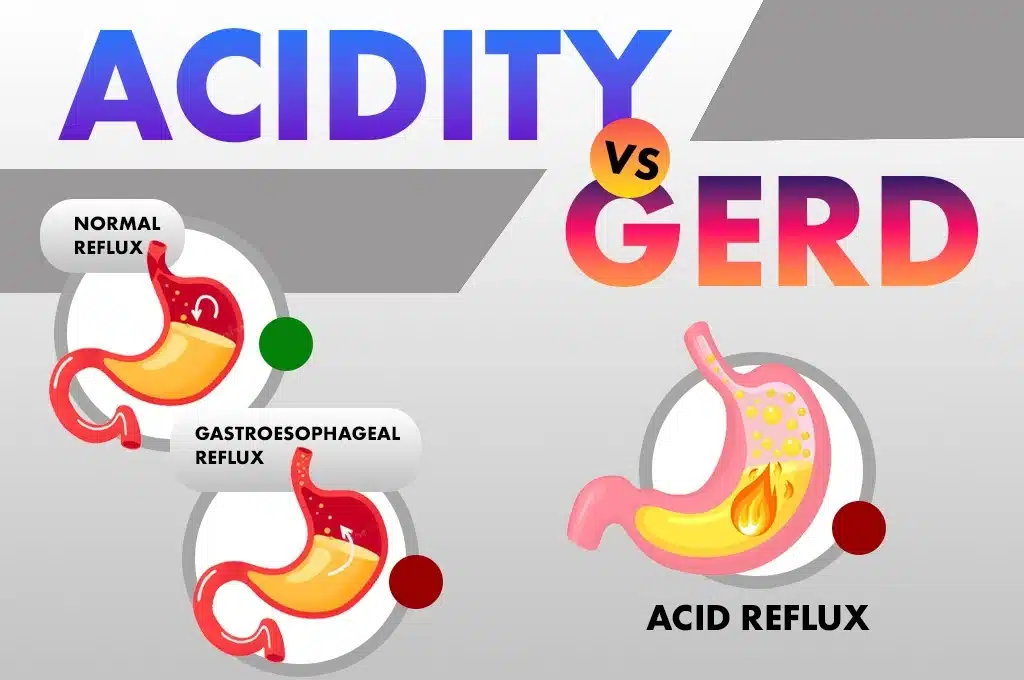
Digestive discomfort is common and often described as “acidity.” However, not all symptoms are the same. Some may indicate GERD (Gastroesophageal Reflux Disease), a more serious condition.
Understanding the difference between acidity and GERD helps in early diagnosis and prevents long-term complications also can know more about gastroenterology symptoms.
What is Acidity?
Acidity occurs when excess stomach acid causes irritation in the digestive tract. It is usually temporary and triggered by lifestyle habits.
Common Causes of Acidity
- Spicy or oily foods
- Large or late-night meals
- Caffeine and carbonated drinks
- Irregular eating habits
- Stress and lack of sleep
- Smoking and alcohol
Symptoms of Acidity
- Burning sensation (heartburn)
- Sour taste in the mouth
- Bloating and gas
- Mild abdominal discomfort
- Occasional nausea
What is GERD?
GERD is a chronic condition where stomach acid flows back into the esophagus due to a weak lower esophageal sphincter (LES).
Unlike acidity, GERD is persistent and may affect daily life and sleep.
Symptoms of GERD
- Frequent heartburn
- Regurgitation
- Difficulty swallowing
- Chronic cough
- Throat irritation
- Hoarseness
- Chest discomfort
Key Differences Between Acidity and GERD
| Feature | Acidity | GERD |
|---|---|---|
| Frequency | Occasional | Frequent |
| Duration | Short-term | Long-term |
| Cause | Excess stomach acid | Acid reflux into esophagus |
| Severity | Mild | Moderate to severe |
| Impact | Resolves easily | Needs medical care |
Warning Signs to Watch
- Heartburn more than twice a week
- Difficulty swallowing
- Unexplained weight loss
- Persistent cough
- Chest discomfort
Possible Complications of GERD
- Esophagitis (inflammation)
- Narrowing of esophagus
- Chronic throat issues
- Voice problems
Diagnosis
Doctors may evaluate symptoms, medical history, and perform tests to confirm whether the condition is temporary acidity or GERD.
Treatment
- Lifestyle and dietary changes
- Avoid trigger foods
- Maintain healthy weight
- Medical treatment if required
Lifestyle Changes to Reduce Acid Reflux
- Eat smaller meals
- Avoid late-night eating
- Limit spicy and fried foods
- Reduce caffeine intake
- Stay upright after meals
- Manage stress
When to Consult a Doctor?
- Symptoms occur regularly
- Last for several weeks
- Do not improve with medication
- Affect daily life
Conclusion
While acidity is common and temporary, GERD is a chronic condition that requires attention. Early diagnosis and lifestyle changes can help prevent complications and maintain digestive health.