

Overview
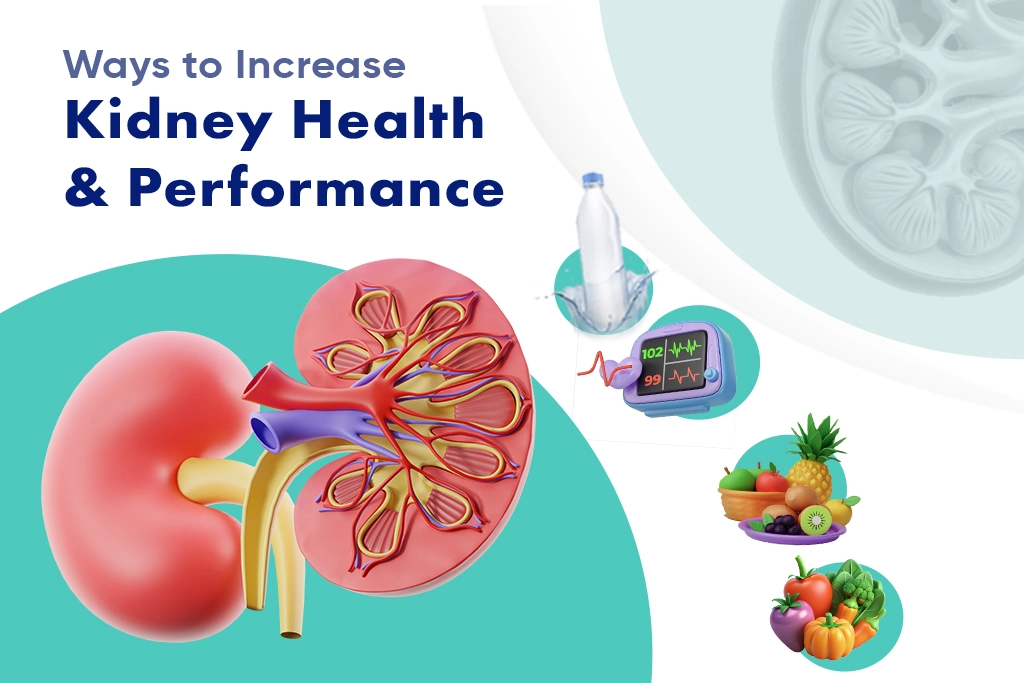
The kidneys are two bean-shaped organs positioned just below the rib cage on both sides of the spine. These vital organs play an important role in maintaining overall health by filtering harmful substances, excess water, and other impurities from the blood and eliminating them through urine. The kidneys also help regulate blood pressure and support the production of red blood cells.
Since these organs play such an essential role in the body, taking proper care of your kidneys is extremely important. In this blog, we will discuss practical ways to improve kidney health and maintain optimal kidney function.
1. Stay Hydrated: Water is Essential
One of the simplest and most effective ways to support kidney health is by staying hydrated. Water helps the kidneys filter waste products and keeps the urinary tract clean by flushing out toxins and bacteria. Proper hydration also dilutes urine, which helps prevent kidney stones and infections you can also read this Why Is Hydration Important? Health Benefits Explained.
How Much Water Should You Consume?
- The recommended daily intake is between 8 and 10 glasses of water (approximately 2–3 litres).
- If you live in a hot climate or engage in strenuous exercise, increase your water intake to compensate for fluid loss.
- Monitor urine colour to understand hydration levels. Pale yellow urine indicates good hydration, while dark yellow urine may indicate dehydration.
Pro Tip: Start your day with a glass of water to support kidney function and improve hydration.
2. Eat a Balanced Kidney-Friendly Diet
Your diet plays a significant role in maintaining kidney health. Some foods support healthy kidney function, while others may harm the kidneys if consumed in excess.
Increase Intake of Kidney-Friendly Foods
- Leafy greens (spinach, kale): Rich in vitamins and minerals that help detoxify the body.
- Berries (blueberries, strawberries, cranberries): High in antioxidants that reduce inflammation and support kidney health.
- Cauliflower: A low-potassium vegetable rich in fibre and B vitamins.
- Apples and garlic: Known for anti-inflammatory properties that help protect the kidneys.
Limit Foods High in Sodium and Potassium
- Reduce salt intake: High sodium levels can increase blood pressure and strain the kidneys. Aim for less than 2,300 mg per day.
- Monitor potassium intake: Foods like bananas, avocados, and potatoes should be consumed in moderation, especially for people with kidney conditions.
Pro Tip: Choose fresh, home-cooked meals and avoid processed foods to control salt intake.
3. Control Blood Pressure and Blood Sugar Levels
High blood pressure and diabetes are among the leading causes of chronic kidney disease (CKD). When blood pressure or blood sugar remains high for long periods, it damages the small blood vessels in the kidneys and reduces their ability to filter blood effectively.
Manage Blood Pressure
- Maintain blood pressure below 130/80 mmHg.
- Reduce salt intake and increase consumption of fruits and vegetables.
- Engage in physical activities such as walking, swimming, or yoga.
- Practice stress management techniques like meditation.
- Take prescribed medications regularly.
Manage Blood Sugar
- Monitor blood sugar levels regularly if you have diabetes.
- Follow a balanced diet rich in fibre and low in refined sugars.
- Stay physically active.
- Follow medical advice regarding medications or insulin.
4. Maintain a Healthy Weight
Being overweight increases the risk of high blood pressure, diabetes, and heart disease, all of which negatively affect kidney health. Maintaining a healthy weight helps reduce pressure on the kidneys.
Ways to Maintain a Healthy Weight
- Exercise for at least 150 minutes per week.
- Focus on nutrient-rich foods rather than processed foods.
- Reduce sugar and unhealthy fats.
5. Avoid Overuse of Painkillers (NSAIDs)
Frequent use of painkillers such as ibuprofen and naproxen can damage the kidneys over time, especially when used excessively.
- Take painkillers only when necessary.
- Consult a doctor for long-term pain management.
- Avoid self-medication, especially if you have kidney issues.
6. Stop Smoking and Limit Alcohol
Smoking and excessive alcohol consumption damage blood vessels, including those supplying the kidneys. Over time, this reduces kidney function and increases the risk of kidney disease.
Quitting Smoking
- Seek support from family, friends, or healthcare professionals.
- Consider nicotine replacement therapy if necessary.
Limiting Alcohol
- Women should limit alcohol to one drink per day.
- Men should limit alcohol to two drinks per day.
7. Get Regular Kidney Function Tests
People with diabetes, high blood pressure, or a family history of kidney disease should undergo regular kidney function tests to detect problems early.
Important Kidney Tests
- Urine tests: Detect protein or blood in urine.
- Blood tests: Measure creatinine and BUN levels.
- GFR test: Determines how well the kidneys filter blood.
8. Reduce Stress Levels
Chronic stress can increase blood pressure and lead to unhealthy lifestyle habits that negatively impact kidney health.
Stress Reduction Techniques
- Exercise regularly.
- Practice meditation and mindfulness.
- Ensure 7–9 hours of quality sleep daily.
9. Monitor and Manage Cholesterol Levels
High cholesterol can narrow blood vessels, including those supplying the kidneys. Maintaining healthy cholesterol levels supports both heart and kidney health.
Ways to Reduce Cholesterol
- Eat soluble fibre such as oats, beans, and flaxseeds.
- Include healthy fats like olive oil and fish.
- Limit saturated fats found in red meat and processed foods.
Conclusion
Your kidneys work continuously to remove waste and toxins from the body. By adopting healthy habits such as staying hydrated, eating a balanced diet, controlling blood pressure and blood sugar, avoiding harmful substances, and undergoing regular health check-ups, you can support optimal kidney function.
Prioritising kidney health today can significantly reduce the risk of kidney disease and help maintain overall well-being for years to come.