

Overview
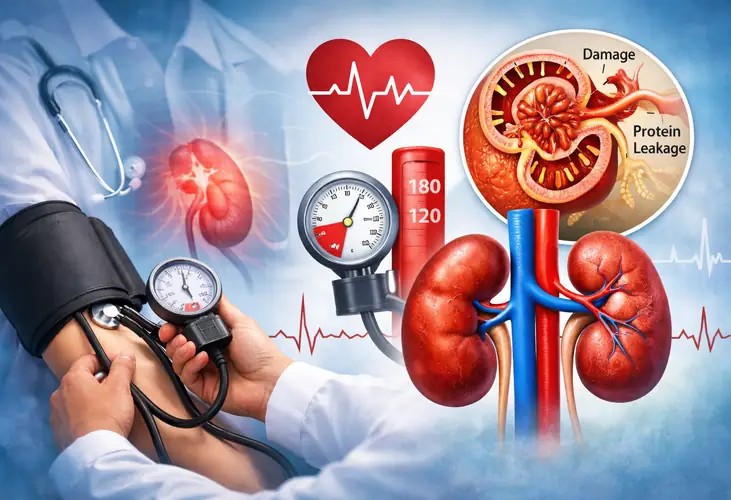
Blood pressure and kidney health are deeply interconnected. This relationship plays a vital role in the overall functioning of the body. While the kidneys filter waste and maintain fluid balance, blood pressure ensures this process happens efficiently. Any imbalance can create a cycle of complications that significantly impacts overall health.
Understanding Blood Pressure and Kidney Function
Blood pressure refers to the force exerted by circulating blood on the walls of arteries. Healthy kidneys rely on consistent blood flow to filter and remove waste products and excess fluids. This filtration process is carried out by nephrons, tiny structures within the kidneys that depend on an adequate blood supply.
When blood pressure rises or falls beyond normal levels, kidney function is directly affected. High blood pressure, also known as hypertension, can damage blood vessels in the kidneys, reducing their ability to function properly. Conversely, poorly functioning kidneys can cause fluid retention, which further elevates blood pressure.
The Effects of High Blood Pressure on Kidneys
Hypertension is one of the leading causes of kidney disease. Over time, consistently high blood pressure can narrow or weaken the arteries supplying the kidneys. This reduces filtration efficiency, allowing waste products to accumulate in the bloodstream.
Chronic kidney disease (CKD) often develops due to prolonged high blood pressure. CKD is a gradual loss of kidney function that can progress to kidney failure if left untreated. In advanced stages, dialysis or kidney transplantation may be required to sustain life.
The Role of the Kidneys in Regulating Blood Pressure
The kidneys play an active role in regulating blood pressure through the renin-angiotensin-aldosterone system (RAAS). When blood pressure drops, the kidneys release renin, an enzyme that triggers a sequence of reactions to raise blood pressure and restore balance.
This system helps regulate sodium and water levels in the body, which are critical for maintaining stable blood pressure. However, kidney damage can disrupt this mechanism, causing blood pressure to remain persistently high.
Symptoms of Kidney Problems Related to Blood Pressure
Kidney problems associated with abnormal blood pressure often develop silently. Symptoms usually appear only in advanced stages, making regular health checkups essential. Common signs include:
- Swelling in the legs, ankles, or face due to fluid retention
- Changes in urination patterns such as reduced output, foamy urine, or blood in urine
- Persistent fatigue and weakness caused by toxin buildup
- Shortness of breath due to fluid accumulation in the lungs
- Consistently high blood pressure readings
Managing the Relationship Between Blood Pressure and Kidney Health
Protecting kidney health requires maintaining healthy blood pressure levels through lifestyle changes, medical treatment, and regular monitoring.
Dietary Choices
A balanced diet that is low in salt and rich in fruits, vegetables, and whole grains supports both blood pressure and kidney health. Reducing sodium intake helps prevent fluid retention and lowers strain on the kidneys.
Physical Activity
Regular exercise strengthens the heart and improves blood vessel function, helping regulate blood pressure. Activities such as walking, cycling, and swimming are effective and sustainable.
Adequate Hydration
Proper hydration supports kidney function by aiding waste removal. While adequate water intake is important, individuals with kidney disease should follow medical advice regarding fluid limits.
Medical Management
Medications such as ACE inhibitors or angiotensin receptor blockers (ARBs) are commonly prescribed to control blood pressure and protect kidney function. Regular follow-ups help ensure optimal treatment.
Avoiding Harmful Substances
Smoking, excessive alcohol intake, and misuse of certain over-the-counter medications can worsen kidney damage and raise blood pressure. Avoiding these substances reduces health risks.
Monitoring Blood Pressure and Kidney Function
Routine health checkups allow early detection of blood pressure or kidney abnormalities. Blood pressure monitoring along with urine and blood tests provides valuable insights into kidney health.
The Impact of High Blood Pressure on Kidney Disease Progression
In individuals with chronic kidney disease, uncontrolled hypertension accelerates kidney function loss. Effective blood pressure control can slow disease progression and delay the need for dialysis.
Similarly, people with hypertension should remain alert to potential kidney involvement. Early intervention significantly reduces long-term complications.
Raising Awareness About the Connection
Awareness of the strong link between blood pressure and kidney health is essential. Many individuals remain unaware of the risks associated with neglecting either condition.
Healthcare providers and communities play a vital role in promoting routine screenings, healthy habits, and education to reduce disease burden.
Conclusion
Blood pressure and kidney health are closely linked, each influencing the other. Maintaining healthy blood pressure levels helps protect kidney function, while healthy kidneys contribute to stable blood pressure.
With proactive lifestyle choices, proper medical care, and regular monitoring, individuals can break the cycle of damage and significantly reduce the risk of complications, supporting long-term kidney health and overall well-being. add code i dont know where to add
Need Expert Medical Advice?
Consult experienced doctors at Vedanayagam Hospital for advanced diagnosis,
personalised treatment, and compassionate patient care.
- Urology & Nephrology Specialists
- Advanced Diagnostic & Treatment Facilities
- Trusted Care for Kidney & Urinary Conditions