

Overview
Stress has become an almost inevitable part of daily life, affecting individuals in various ways. While prolonged stress requires long-term strategies and professional guidance, finding ways to alleviate stress quickly can make a significant difference in managing day-to-day challenges. Understanding the triggers, taking mindful steps, and incorporating effective practices can help reduce stress levels in a single day.
Identifying the Cause
The first step in overcoming stress is recognizing its source. Stress can stem from work pressure, personal conflicts, financial concerns, or even health issues. Identifying the cause provides clarity and allows for more focused solutions. When the source is unknown, general stress-relief practices can still offer substantial benefits.
Start the Day with Intentional Calm
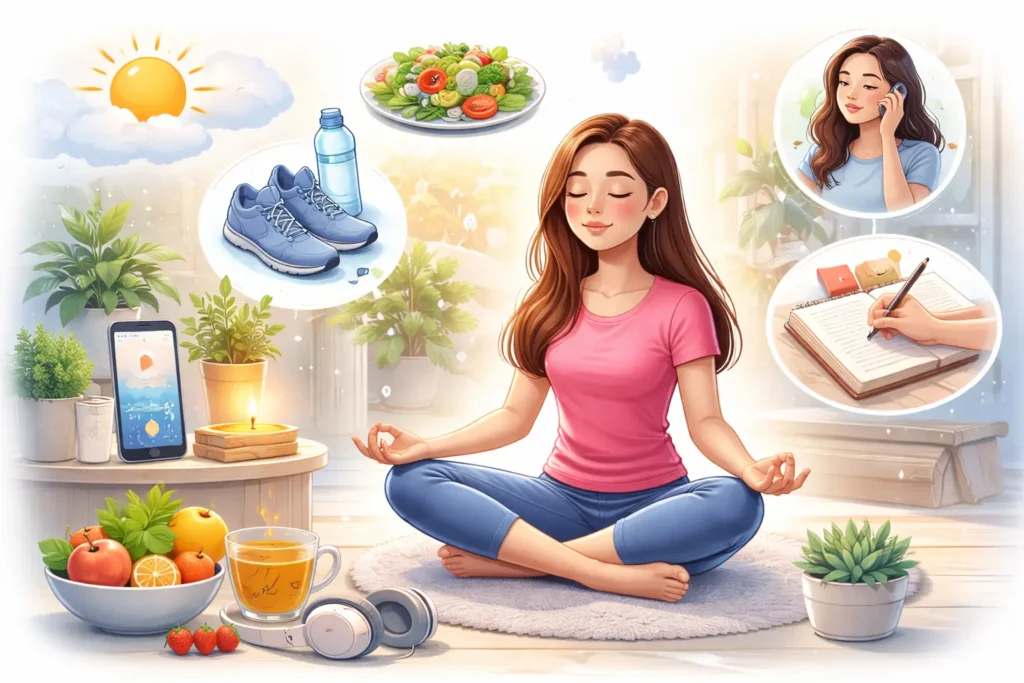
How the day begins can set the tone for what follows. Starting the morning with a calming ritual, such as deep breathing, light stretching, or a few moments of silence, can help establish a sense of balance. Practices like yoga or mindfulness exercises provide both physical and mental relaxation. These moments of calm reduce the likelihood of stress escalating throughout the day.
Tackle High-Priority Tasks Early
Stress often arises from unfinished tasks or looming deadlines. Addressing high-priority responsibilities early in the day can alleviate the pressure that builds up over time. Breaking tasks into smaller, manageable parts also makes them less daunting, reducing the likelihood of feeling overwhelmed.
Incorporate Physical Activity
Physical movement is a natural stress reliever. A brisk walk, a quick workout session, or even dancing to a favorite song can release endorphins, the body’s natural mood elevators. For those with limited time, a simple 10-minute stretch can still make a noticeable difference.
Connect with Nature
Spending time outdoors has a calming effect on the mind. Whether it’s a short walk in a park, sitting by a window with a view of greenery, or simply breathing fresh air, nature has a unique way of soothing stress.
Practice Gratitude
Gratitude exercises can reframe one’s perspective, helping to focus on the positive aspects of life. Writing down three things to be thankful for or reflecting on a recent achievement can shift attention from stressors to blessings.
Mindful Eating
Stress often affects eating habits, leading to either overeating or undereating. Eating mindfully by consuming nutritious meals at regular intervals helps stabilize mood. Foods rich in magnesium, such as nuts, spinach, and dark chocolate, can also contribute to stress relief.
Limit Exposure to Triggers
Reducing exposure to stress-inducing situations or information can make a significant impact. Limiting time on social media, avoiding negative conversations, or setting boundaries with work-related communication allows for a more peaceful environment.
Take Short Breaks
Pausing to reset during a busy day can reduce stress levels significantly. Short breaks to stretch, hydrate, or simply close the eyes for a few minutes can refresh the mind and body.
Use Breathing Techniques
Intentional breathing is a powerful tool for immediate stress relief. Techniques such as the 4-7-8 method—inhale for four seconds, hold for seven seconds, and exhale for eight seconds—can bring instant calm.
Engage in Creative Outlets
Creative activities like drawing, journaling, cooking, or playing a musical instrument provide a productive way to channel stress. These activities promote relaxation and a sense of accomplishment.
Social Support Matters
Talking to a trusted friend, family member, or colleague can help lighten emotional stress. Sharing thoughts often provides clarity, comfort, and emotional balance.
Relaxation Techniques
Relaxation methods such as meditation, progressive muscle relaxation, or listening to calming music can significantly reduce stress levels. Guided meditation apps can help structure relaxation practices.
Reflect and Prepare for Tomorrow
Ending the day with reflection helps identify what worked well in managing stress. Planning for the next day reduces uncertainty, while a calming bedtime routine improves sleep quality.
When to Seek Professional Help
While day-to-day stress can often be managed with these techniques, persistent stress may require professional support. Chronic stress can impact both physical and mental health if left unaddressed.
Conclusion
Overcoming stress in a single day is achievable with intentional actions and self-care. Small changes such as mindful breathing, physical activity, and positive social interactions can make a meaningful difference. Prioritizing these practices helps build resilience and maintain emotional well-being, even amid everyday challenges.