

Overview
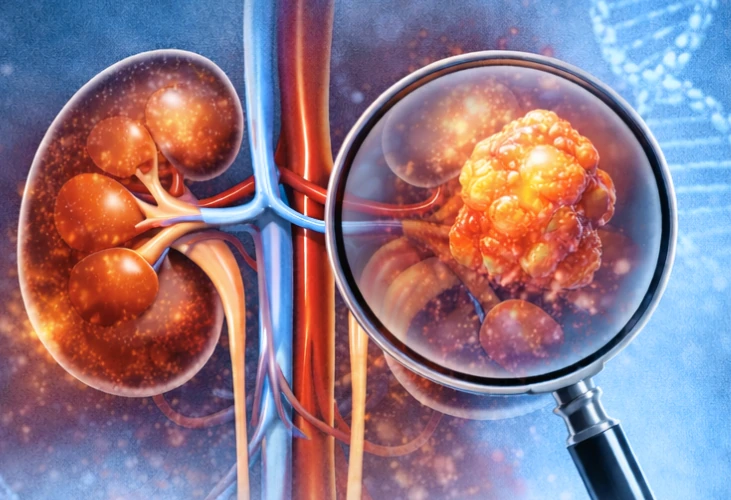
Kidney cancer, though less common than other types of cancer, carries significant concern due to its potential impact on health. Misconceptions surrounding the disease often lead to confusion and unnecessary anxiety. Separating myths from facts is crucial to understanding kidney cancer risks, its causes, and preventative measures.
Common Myths About Kidney Cancer Risk
Only Smokers Are at Risk
A prevalent myth is that smoking is the sole cause of kidney cancer. While smoking does increase the risk, it is not the only factor. Non-smokers can also develop kidney cancer due to genetic predisposition, lifestyle choices, or environmental exposures.
It Affects Only Older Adults
Kidney cancer is often considered an illness that affects the elderly. While its prevalence increases with age, it can also occur in younger adults. Early detection is key, regardless of age.
Kidney Cancer Always Has Noticeable Symptoms
Many believe that kidney cancer presents clear warning signs early on, such as pain or visible blood in the urine. In reality, the disease often progresses silently, making regular health check-ups essential.
Diet Alone Can Prevent Kidney Cancer
While maintaining a healthy diet is important, it cannot eliminate the risk. Genetic factors, exposure to toxins, and other health conditions also play a role in its development.
Kidney Cancer Is Always Fatal
Advances in medical science have significantly improved the outcomes of kidney cancer treatment. Early-stage detection often leads to effective management and positive prognoses.
Facts About Kidney Cancer Risk
Smoking Increases Risk
Studies confirm that smoking is a major risk factor for kidney cancer, doubling the likelihood of developing the disease.
Obesity Plays a Role
Excess body weight has been linked to an increased risk of kidney cancer.
Genetics Contribute Significantly
Family history is a strong indicator of kidney cancer risk.
Hypertension Is a Risk Factor
Chronic high blood pressure can lead to kidney damage over time.
Occupational Exposures Matter
Prolonged exposure to certain industrial chemicals has been associated with kidney cancer.
Recognizing Early Warning Signs
- Persistent pain in the back or sides
- Blood in the urine (hematuria)
- Unexplained weight loss
- Fatigue
- A lump in the abdominal area
Preventative Measures to Lower Kidney Cancer Risk
Quit Smoking
Avoiding tobacco use is one of the most effective ways to reduce risk.
Maintain a Healthy Weight
Regular exercise and a balanced diet help reduce cancer risk.
Monitor Blood Pressure
Keeping blood pressure within a healthy range protects kidney health.
Regular Check-ups
Routine health screenings help detect issues early and improve outcomes.