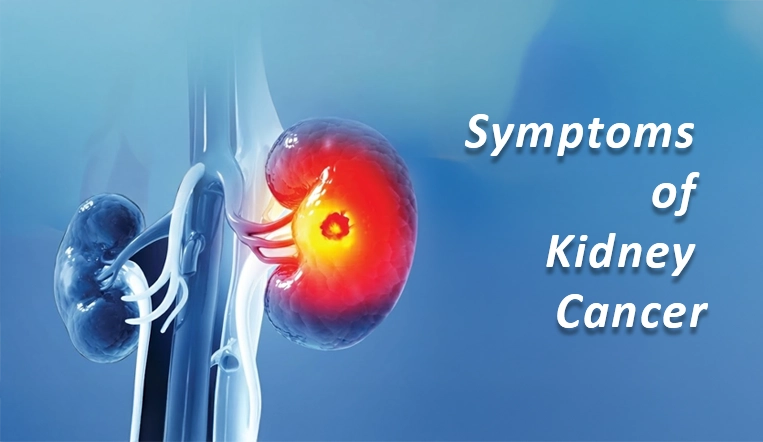
In the early stages, kidney cancer often does not present noticeable symptoms. However, as the condition progresses, certain signs may appear. Recognizing these early symptoms is crucial:
Blood in the Urine (Hematuria)
One of the most common symptoms is blood in the urine, which may appear pink, red, or cola-colored. Even small amounts of blood should not be ignored and warrant medical evaluation.
Persistent Back or Side Pain
Pain in the back or sides, below the ribs, that does not subside over time may indicate kidney-related issues. This symptom often becomes more pronounced as the cancer grows.
Lump or Mass in the Abdomen
A noticeable lump or swelling in the abdomen or side could indicate a tumor in the kidney. Regular self-checks and medical examinations can help identify such abnormalities early.
Advanced Symptoms of Kidney Cancer:
As the cancer progresses, additional symptoms may develop, reflecting the body’s response to the growing tumor or its spread to other areas:
Unexplained Weight Loss
Sudden and unexplained weight loss, particularly when combined with other symptoms, may signal the presence of cancer. This occurs due to the body’s metabolic changes caused by the disease.
Fatigue
Chronic fatigue, even after adequate rest, is a common symptom in advanced stages. This fatigue results from the body’s effort to combat the disease and the cancer’s impact on overall health.
Fever Without Infection
Persistent or recurring fevers without any underlying infection can indicate kidney cancer. Such fevers are typically not relieved by standard medications.
High Blood Pressure
Kidney tumors can affect hormone production, leading to elevated blood pressure levels. Persistent hypertension, particularly when resistant to treatment, requires thorough investigation.
Anemia
Reduced red blood cell counts, or anemia, may result from kidney cancer interfering with the kidney’s ability to produce erythropoietin, a hormone that stimulates red blood cell production.
Rare Symptoms:
In some cases, kidney cancer may cause unusual symptoms that depend on the location and progression of the tumor. These include:
Swelling in the Legs or Ankles
Tumors can block blood flow, leading to fluid retention and swelling in the lower extremities.
Bone Pain
If cancer spreads to the bones, it can cause localized pain or fractures.
Shortness of Breath or Cough
Advanced kidney cancer that spreads to the lungs may result in breathing difficulties or persistent coughs.
When to Seek Medical Attention
Any symptoms related to kidney cancer should prompt a visit to a healthcare professional. While these symptoms may also result from benign conditions, ignoring them could delay a critical diagnosis.
Risk Factors Associated with Kidney Cancer:
Awareness of risk factors can encourage vigilance in recognizing symptoms. These factors include:
Smoking
Smokers are at higher risk of developing kidney cancer than non-smokers.
Obesity
Excess body weight increases the risk of kidney cancer due to hormonal changes.
Hypertension
Chronic high blood pressure is linked to kidney cancer risk.
Family History
A history of kidney cancer in close relatives increases the likelihood of developing the disease.
Chronic Kidney Disease
Long-term kidney problems or dialysis treatments elevate cancer risk.
Importance of Regular Check-ups:
Routine health check- ups are instrumental in detecting kidney cancer early, especially for individuals with risk factors. Blood tests, urine tests, and imaging studies like ultrasounds, CT scans, or MRIs are vital tools in diagnosing kidney conditions.
Managing Kidney Cancer:
If kidney cancer is diagnosed, treatment options depend on the stage and overall health of the individual. Common treatments include:
Surgery
Removing the affected kidney (nephrectomy) or part of it can eliminate the tumor.
Targeted Therapy
Medications designed to target cancer cells while sparing healthy tissue are often used in advanced cases.
Immunotherapy
Boosting the immune system to fight cancer cells is another effective approach.
Radiation Therapy
While not a primary treatment, radiation can manage symptoms in advanced stages.
Promoting Kidney Health:
Preventive measures can help maintain kidney health and reduce cancer risk. These include:
Staying hydrated to support kidney function.
Maintaining a healthy weight through balanced diets and regular exercise.
Avoiding smoking and reducing exposure to harmful chemicals.
Managing conditions like high blood pressure and diabetes effectively.
Conclusion:
Understanding the symptoms of kidney cancer is a critical step in early detection and effective treatment. Awareness, regular check-ups, and timely medical interventions can make a significant difference in outcomes. Whether it is recognizing early signs like blood in the urine or addressing advanced symptoms like fatigue and weight loss, vigilance remains key. By prioritizing kidney health, individuals can take proactive steps toward well-being and reduce the risk of life-threatening conditions like kidney cancer.